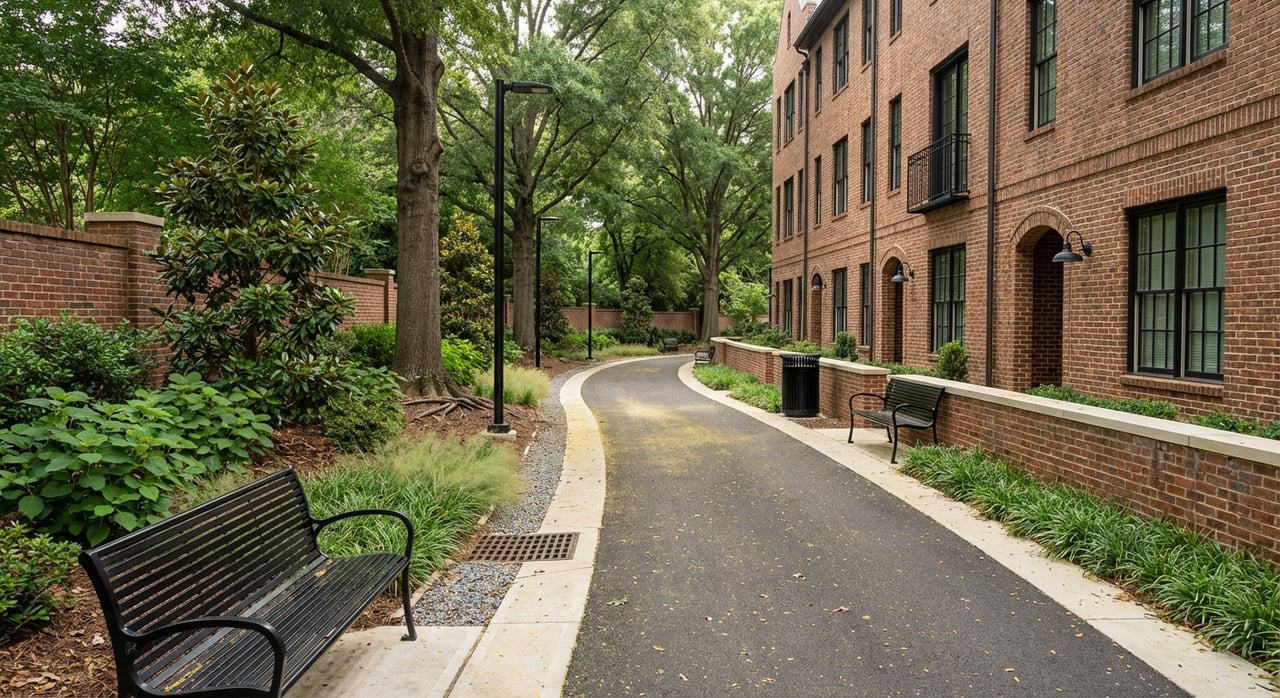
Atlanta BeltLine Intown Living: A Practical Guide
February 19, 2026
February 19, 2026
Picture stepping out your front door and being on a tree‑lined path where you can jog before work, grab coffee on your walk, and meet friends for dinner without hunting for parking. If you live in 30305 and you are BeltLine‑curious, you are likely weighing that kind of convenience against your current routine. This guide gives you a clear, practical look at what life on or near the Atlanta BeltLine really feels like, how commutes compare, what neighborhoods stand out, and what market factors to consider. Let’s dive in.
The Atlanta BeltLine is a planned 22‑mile loop of multi‑use trails, parks, public art and a future transit component that connects roughly 45 intown neighborhoods. It is one of the city’s signature redevelopment efforts and a major reason many buyers consider moving closer to the core. You can get a good overview from the project’s official media kit.
Segments are being delivered in phases. Some areas, like the Eastside Trail, feel continuous and complete, while others use interim connections as construction continues into 2024–2026. For a current picture of what is open and how people use it, explore ABI’s self‑guided trail tour.
Midtown blends high‑rise living with culture and green space. You are close to Piedmont Park, the Atlanta Botanical Garden, and major venues and festivals. Sidewalks, bike lanes, and frequent events create an active, pedestrian‑friendly rhythm near the park.
Transit is a real advantage. The Midtown, North Avenue, and Arts Center MARTA rail stations put you a short ride from Downtown or Buckhead. Daily errands often happen on foot, and BeltLine access points near Piedmont Park make last‑mile trips straightforward.
Homes in Midtown are largely condos and rentals, with a wide range by building, size, and finish. Recent neighborhood snapshots showed median condo prices in the mid‑$300Ks, with variation by tower and street. If you are comparing buildings, expect differences in parking, amenities, and HOA policies to shape value and fit.
Old Fourth Ward sits at the heart of the Eastside Trail. Historic Fourth Ward Park, Ponce City Market, and a deep bench of restaurants and nightlife make it one of Atlanta’s most photographed and walked areas. For a feel of the scene, browse the Eastside overview from Discover Atlanta.
It is very walkable, with everyday BeltLine foot traffic and bike activity. Many residents treat the trail like a main street, whether they are walking dogs, commuting by scooter, or heading to dinner. Neighborhood housing mixes lofts, townhomes, new infill condos, and renovated historic homes. Recent snapshots placed the neighborhood overall in the low‑to‑mid $300Ks, with wide swings depending on property type and exact block.
Inman Park offers a more residential, historic feel with Victorians, bungalows, and a compact commercial spine, while still sitting close to Krog Street Market and Eastside Trail access. Walkability is strong, and the Inman Park/Reynoldstown MARTA station on the Blue/Green line gives you a practical rail option.
Housing spans renovated single‑family homes, townhomes, and boutique condos. Median pricing trends have been materially higher than many O4W condo averages, with recent listings often in the mid‑$500Ks to $600Ks depending on the data window. If you value a quieter block with quick access to the trail, Inman Park is worth a close look.
If you are moving from Buckhead’s 30305, you are likely weighing commute time and predictability. Inner‑city drives of a few miles are typically 10–30 minutes depending on time of day. Off‑peak, Buckhead to Midtown is often 10–25 minutes, though it can stretch during rush hours or major events. For context on in‑city travel timing, see this Atlanta driving‑time overview.
Rail can smooth the peaks. Midtown and Arts Center stations connect you quickly to Buckhead and Downtown, and many BeltLine‑area residents pair MARTA with a short walk or bike for the last mile. Check the Arts Center Station page for schedules and connections.
The BeltLine is designed for multi‑use. You will see commuters on bikes and scooters alongside joggers and families out for an evening stroll. If you are using the trail after dark, bring lights and reflective gear and keep right so faster riders can pass. ABI’s trail tour is a good primer on segments, etiquette, and connections.
Ponce City Market and Krog Street Market are everyday destinations for Eastside residents, from lunch meetings to grocery runs to rooftop nights. Smaller BeltLine‑facing cafés and breweries give you a rotating list of casual stops. Expect the busiest scenes on weekends and event evenings.
For groceries and essentials, you will find a mix of smaller specialty markets and nearby full‑line grocers. Block‑by‑block access varies. If you own a car, most daily needs are within a few minutes’ drive, but many residents also use delivery to keep life simple.
A typical week may include a morning jog on the Eastside Trail, a picnic at Historic Fourth Ward Park, and patio dining after work. The BeltLine and partner groups organize free fitness classes and arts programming throughout the year. One of the most beloved traditions is the Lantern Parade, part of the long‑running Art on the Atlanta BeltLine series. Get a feel for the scope through this Lantern Parade announcement.
You will see plenty of dogs on the trail. City of Atlanta park rules require leashes in parks except in designated off‑leash areas, and owners must clean up waste. Summer heat can make pavement hot, so plan walks early or late and bring water. Review official park use and leash rules before you go.
The BeltLine is well used and investments in lighting, maintenance, and programming continue to grow. As in any city, conditions vary by time and segment. Visit the blocks you plan to use at the times you would normally be out, and review local resources or community meetings if you want deeper context.
Proximity to completed BeltLine segments has been linked to measurable price premiums and investment pressure over the project’s life. A foundational analysis by Immergluck in Urban Studies documented how announcement and delivery of segments raised nearby housing demand and prices. You can review that academic context here.
For you as a buyer or seller, the takeaway is practical. Homes close to the trail often enjoy stronger resale or rental demand, which can support value. The tradeoff is affordability pressure and faster competition when listings hit the market.
The BeltLine program includes an affordable‑housing strategy tied to the BeltLine Affordable Housing Trust Fund and related tools. ABI has reported recent gains in units created and preserved, with year‑by‑year updates available on their live site. If you track policy or simply want to understand the full picture, start with ABI’s housing and “Live on the BeltLine” page.
The Eastside Trail remains the most active daily corridor, especially for errands and nightlife. On the west side, the city’s largest new park emerged during the BeltLine era, and leaders formally renamed it in early 2025 to honor former Mayor Shirley Clarke Franklin. New green spaces like this often add programming and draw major events, which helps distribute recreation across the loop.
Life next to the trail is hyper‑local. A condo facing a BeltLine‑front patio will feel more energetic than a townhome three blocks back on a tree‑lined street. Weekend foot traffic can be a plus if you love energy and instant access. If you value quiet evenings, a location just off the trail might be the better fit.
A quick method to test fit:
Use this quick checklist to pressure‑test the move:
If the checklist reads like your ideal week, zeroing in on Midtown, Old Fourth Ward, or Inman Park can make sense. If you want more space or quieter streets, you may find your best fit a few blocks off the trail, where you still keep easy access but dial down the energy.
Living near the BeltLine is about nuance. Block orientation, building policies, parking, HOA health, and construction timelines all shape your day‑to‑day experience and long‑term value. I help you weigh those tradeoffs, compare 30305 commute realities to your target blocks, and structure offers that win in competitive pockets. For sellers, I position listing presentation to speak directly to BeltLine buyers and their priorities, which supports both speed and price.
Ready to talk through your goals or tour a few key blocks together? Connect with Brandon Patterson for a private consultation.
Stay up to date on the latest real estate trends.


Atlanta Neighborhood Spotlight
Brandon's goal isn’t just to help you buy or sell a house — it’s to guide you through a meaningful life transition with honesty, empathy, and precision. Whether it’s negotiating the best outcome, refining a property’s presentation, or simply listening deeply, his focus is always the same: your success and peace of mind.