Torn between a porch-front bungalow, a low-maintenance townhome, or a sleek new build in Decatur? You are not alone. Each option offers a different mix of character, upkeep, and long-term value. In this overview, you will learn how these homes compare in Decatur, what inspections and permits to expect, and how updates influence costs and resale. Let’s dive in.
Decatur housing mix at a glance
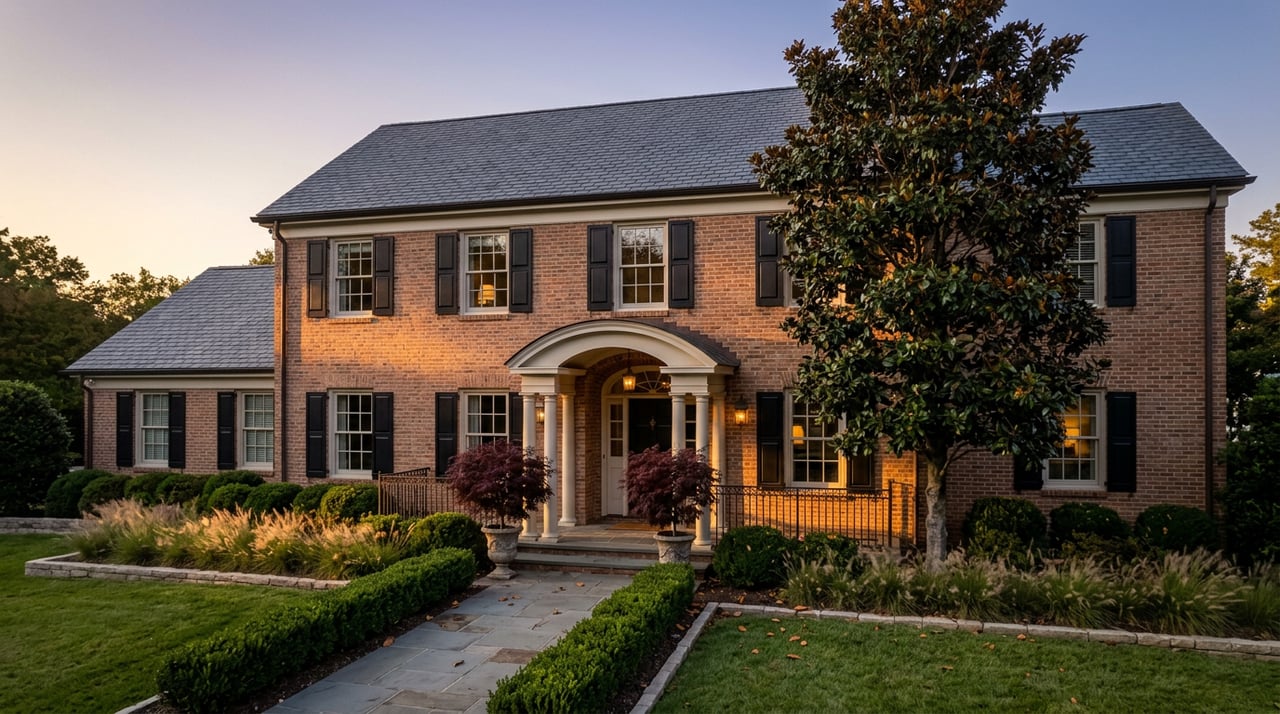
Decatur combines early 20th-century streets with modern infill, so you will see historic homes and new construction on the same block. A municipal profile based on the American Community Survey shows roughly 58% of homes were built before 1980, 34% since 2000, and about 8% between 1980 and 1999. You will feel that contrast when touring. Review the city snapshot for context in the numbers from the Georgia Municipal Association’s profile of Decatur.
Historic bungalows and Craftsman
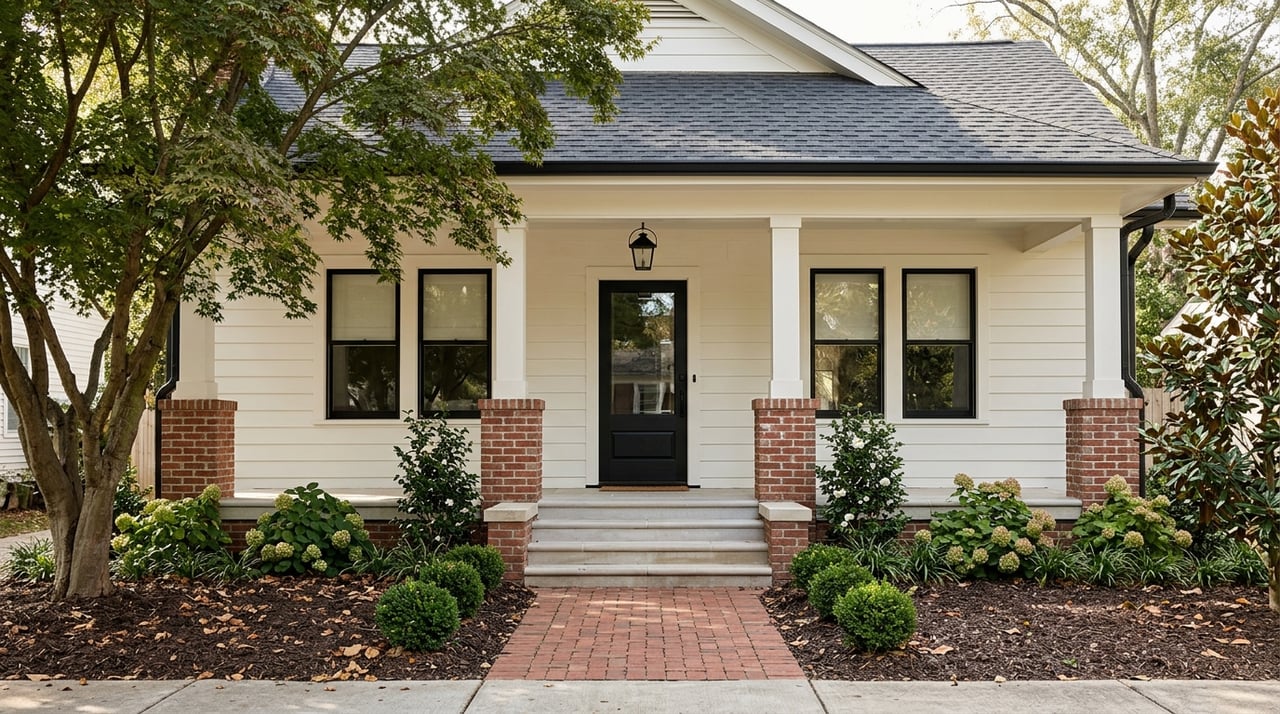
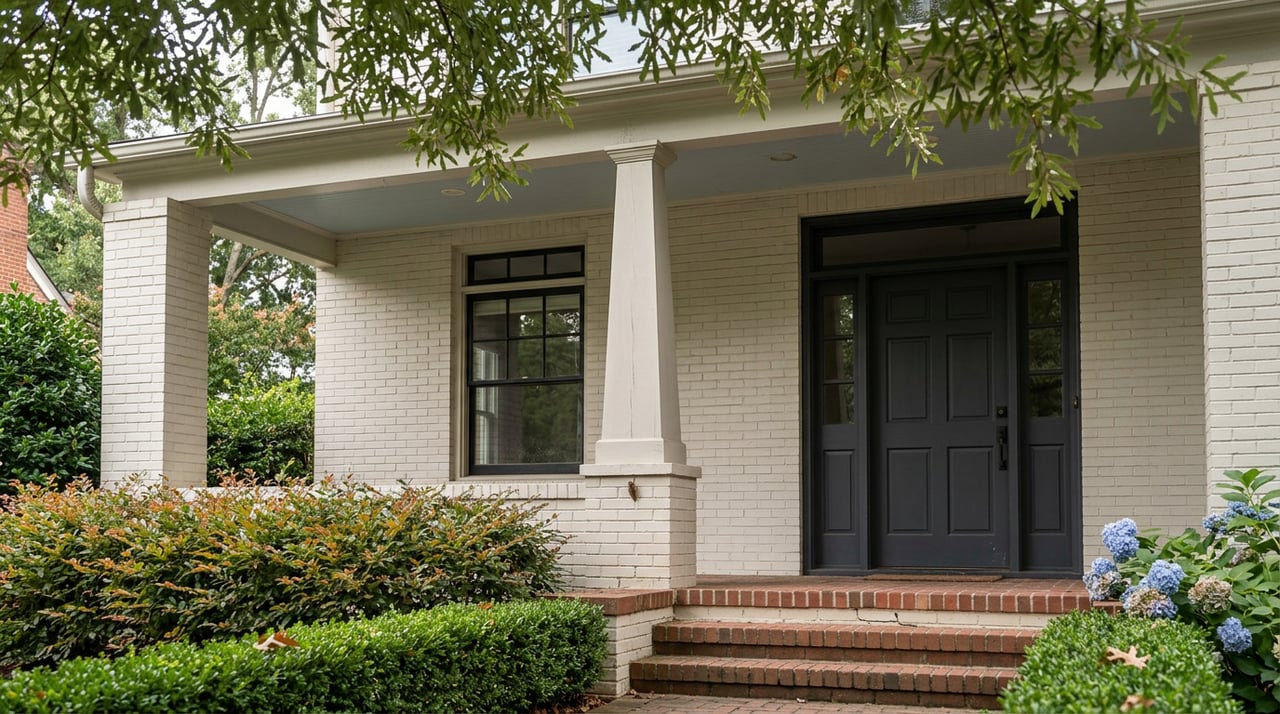
Early Craftsman bungalows define many Decatur streets, especially within local historic districts. Expect 1 to 1.5 stories, broad front porches, original millwork, and hardwood floors. Many sit on modest lots with close setbacks, which adds to the neighborhood feel.
- What to inspect: older electrical, original or aging plumbing, uninsulated walls or attics, single-pane windows, and roof or porch wear are common. These items can affect insurance and financing, so plan your inspection contingencies accordingly. Review typical old-home issues in this inspector guidance on aging systems.
- Design and value: well-executed restorations in desirable blocks often command a premium. If you want to preserve character while modernizing function, Decatur’s Design Guidelines for Preservation show how additions and materials are evaluated.
- Permits and review: if the home is in a local historic district, visible exterior changes typically require a Certificate of Appropriateness and may go before the Historic Preservation Commission. Start with the city’s overview of building in a historic district and confirm whether a specific address lies within one of Decatur’s local historic districts.
Post-war cottages and ranches
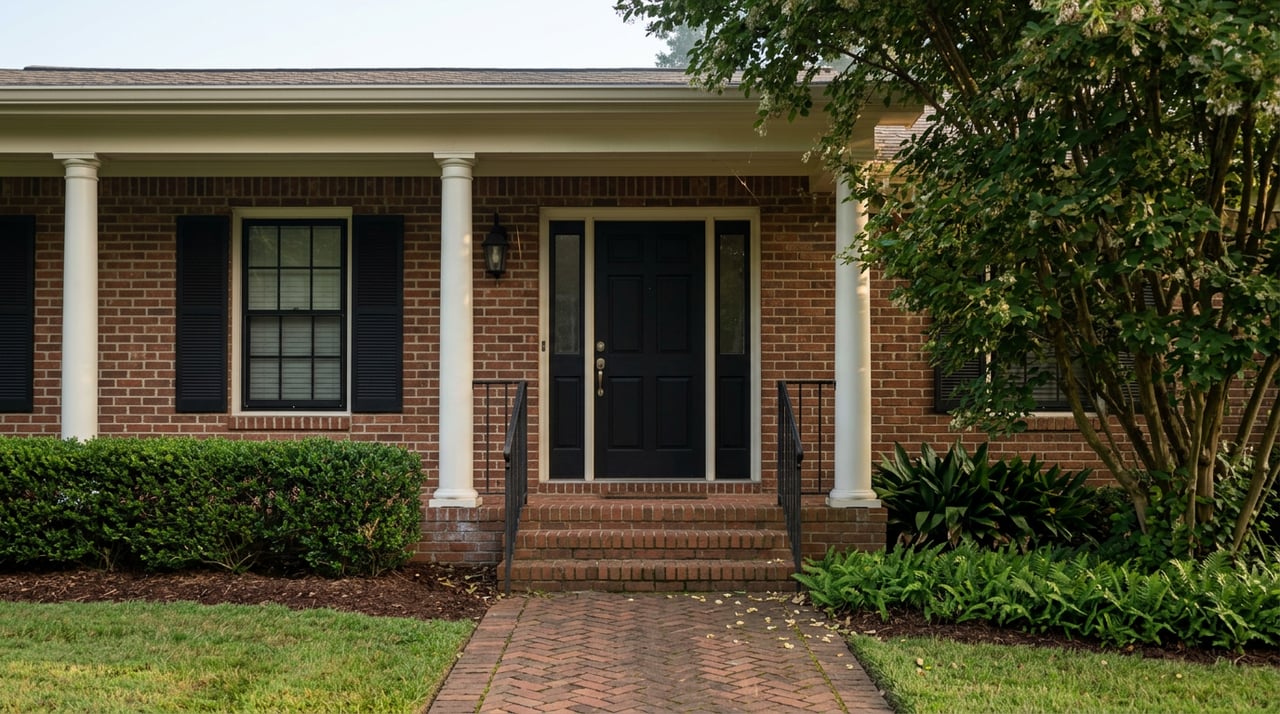
Many single-level cottages and ranches from the 1940s–1960s offer straightforward layouts and, in some cases, larger rear yards. They can be economical to modernize with open kitchens and updated HVAC, though structural rework and service upgrades can add cost.
- Regulatory note: most are outside local historic districts but still subject to tree and site regulations. If you plan additions or site work, review the Tree Canopy Conservation Ordinance before altering lots or removing protected trees.
Townhomes and attached infill
Recent townhome communities deliver efficient 2 to 3 story plans, modern kitchens and baths, and exterior maintenance through an HOA. You will often trade a larger yard for a walkable location and lock-and-leave convenience.
- Buyer fit: great if you want a contemporary interior and low upkeep near the Square or transit. Less ideal if a large private yard or single-level living is a must.
- Due diligence: review HOA documents, reserves, and maintenance responsibilities for roofs, exteriors, and common areas.
New builds and small-lot infill
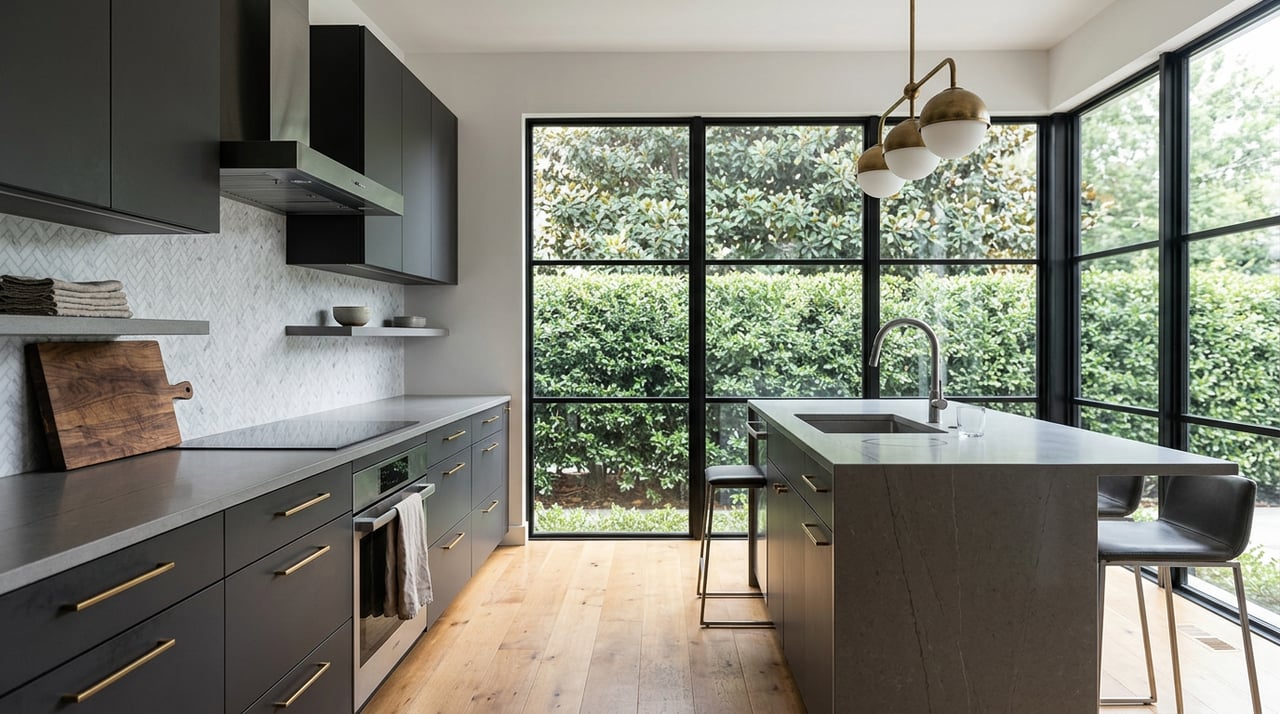
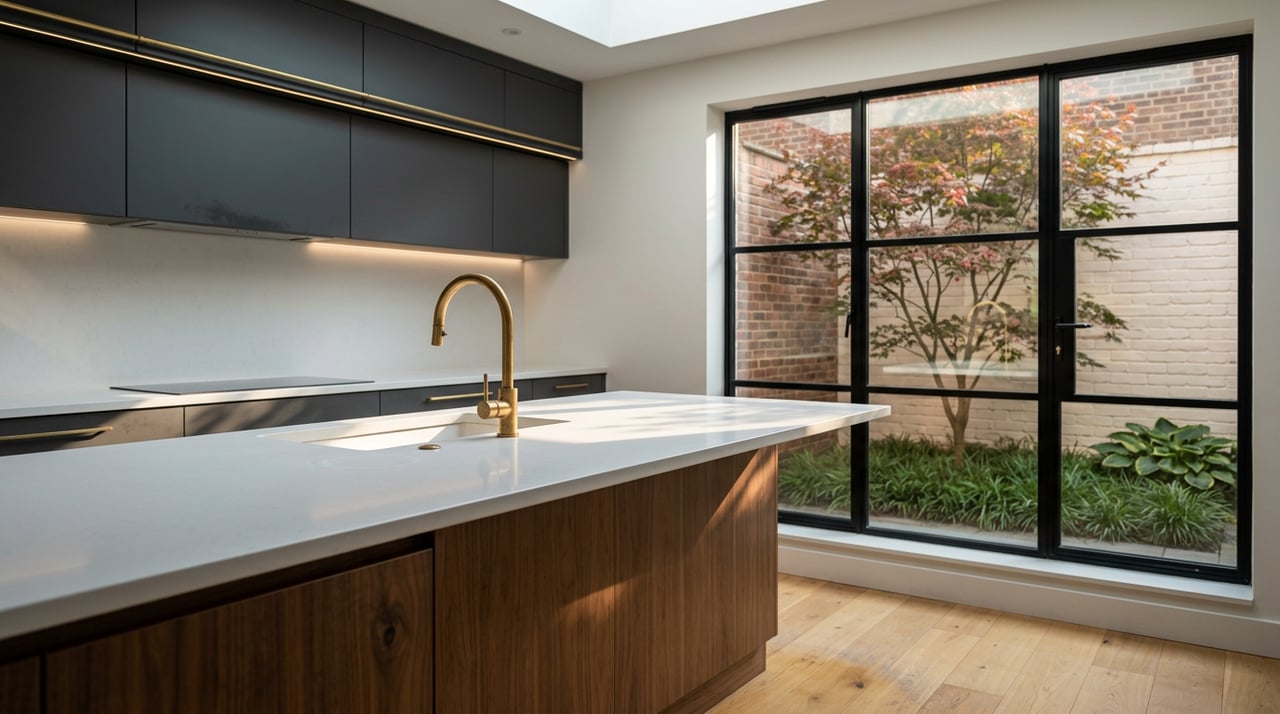
New single-family builds on infill or tear-down lots favor open layouts, higher ceilings, energy-efficient systems, and modern finishes. Many are on smaller parcels and closer to the sidewalk to maximize interior space.
- Buyer fit: ideal if you want turnkey systems and minimal near-term maintenance. Expect a premium for new construction and a higher price per square foot, with a smaller yard in many cases.
- Regulatory note: infill interacts with zoning, plan review, and the city’s tree-canopy rules. Lot coverage, setbacks, and administrative adjustments follow city timelines. Learn how small modifications are processed on the Zoning Administrator page and confirm tree requirements via the Tree Canopy Conservation Ordinance.
How age and updates shape price
Your budget and your tolerance for projects will steer the best fit. Three practical patterns stand out.
- Systems and safety: older wiring such as knob-and-tube can trigger lender and insurer concerns, and full replacement may be required before closing. Plan inspection contingencies and coordinate with specialty contractors. See common underwriting impacts in this overview of insurance and old wiring.
- Layout and function: bungalows with small, compartmentalized rooms often sell for less per square foot than larger open-plan layouts unless they are skillfully updated. The city’s preservation design guidelines explain how additions and exterior changes are reviewed in historic districts.
- Energy and operating costs: newer construction usually offers better insulation, windows, and HVAC. Upgrades to windows, HVAC, or insulation can help comfort and resale, but returns vary. Use the 2024 Cost vs Value benchmarks as a planning reference: national Cost vs Value report.
Renovation scope and budget benchmarks
Use high-level benchmarks to frame decisions, then get Decatur-specific bids.
- Cosmetic vs major projects: the 2024 national Cost vs Value report lists a midrange minor kitchen remodel at about $27,492 with roughly 96% average resale recoup, and a midrange bath at about $25,251 with about 74% recoup. These are national figures and actual Decatur outcomes depend on location, finish level, and buyer demand.
- Big-ticket systems: whole-house rewiring frequently runs roughly $4,000 to $20,000 or more depending on size and access. Factor in plaster or millwork repairs after electrical work in historic homes. For context, review this rewiring cost explainer.
- Financing and insurance: if inspections reveal very old wiring, plumbing, or roof issues, confirm insurability and loan conditions before you waive contingencies. Old-home risk factors are outlined in inspector best practices for aging homes.
Permits, trees, and timelines in Decatur
Timing matters, especially if you plan exterior work, additions, or new construction.
- Historic districts: exterior changes in local districts often require a Certificate of Appropriateness and, in some cases, Historic Preservation Commission review. Review steps for building in a historic district and confirm district boundaries on the local historic districts page.
- Trees and site work: protected trees affect demolition, additions, and infill. A pre-application meeting with the city arborist is often part of the process. Start with the Tree Canopy Conservation Ordinance.
- Administrative adjustments: small setback or lot coverage adjustments can be handled administratively, typically with defined fees and timelines. See the Zoning Administrator guidance and plan for several weeks to months for review depending on scope.
Buyer checklist: compare before you write an offer
Pre-offer
- Ask for documentation of major system upgrades and permit history. If the property is in a historic district, confirm past exterior work has a Certificate of Appropriateness. See the city’s building in a historic district overview.
- Verify proximity to the Decatur Square and MARTA if walkability is important to you. Use Walk Score’s Decatur page as a quick reference.
- Order specialized inspections for older homes: include an electrician to assess knob-and-tube or outdated panels, a plumber to evaluate galvanized or cast-iron lines, and a foundation specialist if you see cracks or settlement. Start with inspector guidance on old-home issues.
If you plan renovations
- Confirm if exterior changes need a COA and budget extra time for review in local districts. The Design Guidelines for Preservation show what reviewers look for.
- Get three bids for major systems and ask contractors to separate code-required work from finishes and repair. For a reality check on resale, reference the Cost vs Value report.
- For tear-downs or infill, confirm tree-permit needs and potential mitigation conditions early. See the Tree Canopy Conservation Ordinance.
On budgeting
- Plan for contingencies in historic homes, especially if you will open walls or touch electrical and plumbing. Rewiring often runs roughly $4,000 to $20,000 or more depending on scope, plus patch and paint.
- Treat Cost vs Value figures as planning benchmarks rather than promises. Decatur’s location, lot, and finish level will drive your outcome.
Which Decatur home is right for you?
- Choose a bungalow if you value timeless architecture, walkable streets, and you are comfortable planning upgrades within preservation rules.
- Choose a post-war cottage or ranch if you want single-level living and are open to cosmetic updates on a manageable budget.
- Choose a townhome if you want modern finishes, low exterior maintenance, and a close-in location.
- Choose a new build if you want turnkey systems, open layouts, and lower near-term maintenance on a smaller lot.
If you want a clear, side-by-side plan for your next move in Decatur, let’s talk. Request a private consultation with Brandon Patterson to align your timing, budget, and wish list.
FAQs
What should I know before buying a historic bungalow in Decatur?
- Confirm if the property sits in a local historic district, plan for a Certificate of Appropriateness for exterior changes, and budget for older systems per inspector guidance on aging homes.
How do HOAs affect Decatur townhome ownership costs?
- HOAs typically cover exterior maintenance and common areas but vary on roof and structure responsibility, so review declarations, budgets, and reserves before you commit.
What permits are required for a new build or major addition in Decatur?
- Expect plan review, zoning checks, and tree-canopy compliance; some small adjustments are handled administratively per the Zoning Administrator guidance.
How much might rewiring cost in an older Decatur home?
- Whole-house rewiring commonly falls around $4,000 to $20,000 or more depending on size and access, plus patching and finishes after the work.
Do walkability and transit impact Decatur home prices?
- Yes. Proximity to the Decatur Square and MARTA is a consistent demand driver, reflected in interest and price per square foot; see the area’s Walk Score context.