By Brandon Patterson
One of the more interesting and underappreciated aspects of
Atlanta real estate is the variety of architectural styles in the city's residential market. From historic Victoria streetscapes in Inman Park to stately brick estates in Buckhead, then Tudor Revivals across Druid Hills, with plenty of contemporary offerings spread throughout, the city's rapid growth over the last century created a layered architectural identity. Such variety remains one of Atlanta's defining strengths for buyers today.
Key Takeaways
-
Atlanta's residential architecture reflects multiple eras of growth rather than one dominant style.
-
Craftsman, Colonial Revival, and Tudor homes remain especially prominent in established neighborhoods.
-
Mid-century ranch homes continue to influence many in-town and suburban communities.
-
Modern and contemporary homes have become increasingly common in redevelopment corridors.
-
Neighborhood identity in Atlanta is often closely tied to architectural character.
Craftsman Homes
Craftsman architecture remains one of the most recognizable residential styles in Atlanta, particularly throughout the city's historic intown neighborhoods. These homes helped shape the early residential identity of many communities that are now among the city's most desirable addresses.
- Prominent neighborhoods: Craftsman homes are especially common in Inman Park, Candler Park, Grant Park, and Kirkwood
- Architectural details: Wide front porches, tapered columns, exposed rafter tails, and natural materials define the style
- Lifestyle appeal: These homes tend to emphasize walkability, neighborhood character, and a more connected streetscape
Many buyers gravitate toward Craftsman homes because they feel approachable without losing architectural substance. In Atlanta, they continue to anchor some of the city's most established residential areas.
Victorian and Queen Anne
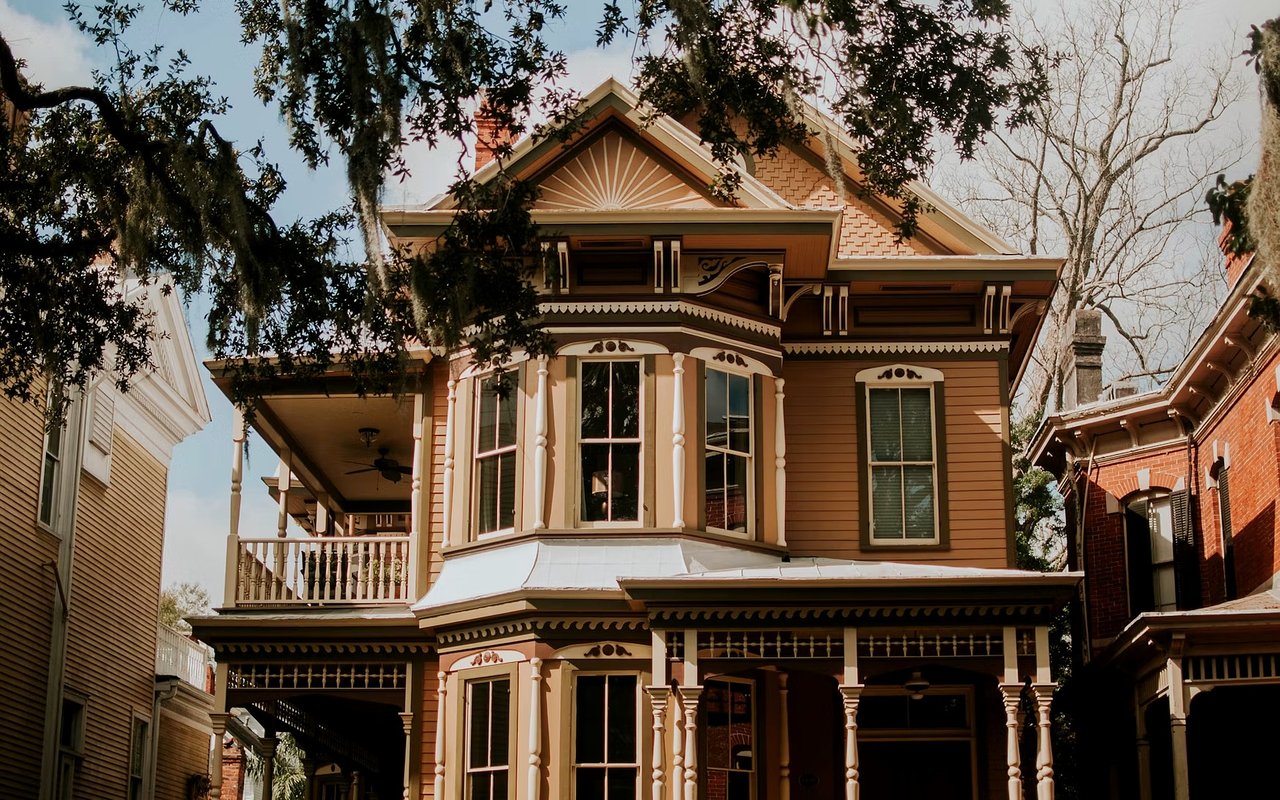
Atlanta still retains pockets of late 19th- and early 20th-century architecture, particularly in neighborhoods that avoided large-scale redevelopment. Victorian and Queen Anne homes bring a more decorative and expressive style to the city's residential mix.
- Historic concentrations: Inman Park and Grant Park contain some of Atlanta's best-known examples.
- Distinctive features: Turrets, wraparound porches, asymmetrical facades, and ornate woodwork are common elements
- Visual presence: These homes often stand out through color, detailing, and larger corner-lot positioning
While fewer in number than Craftsman homes, these properties hold a special place in Atlanta's architectural identity. They give certain streets a level of visual texture that newer development rarely replicates.
Colonial Revival
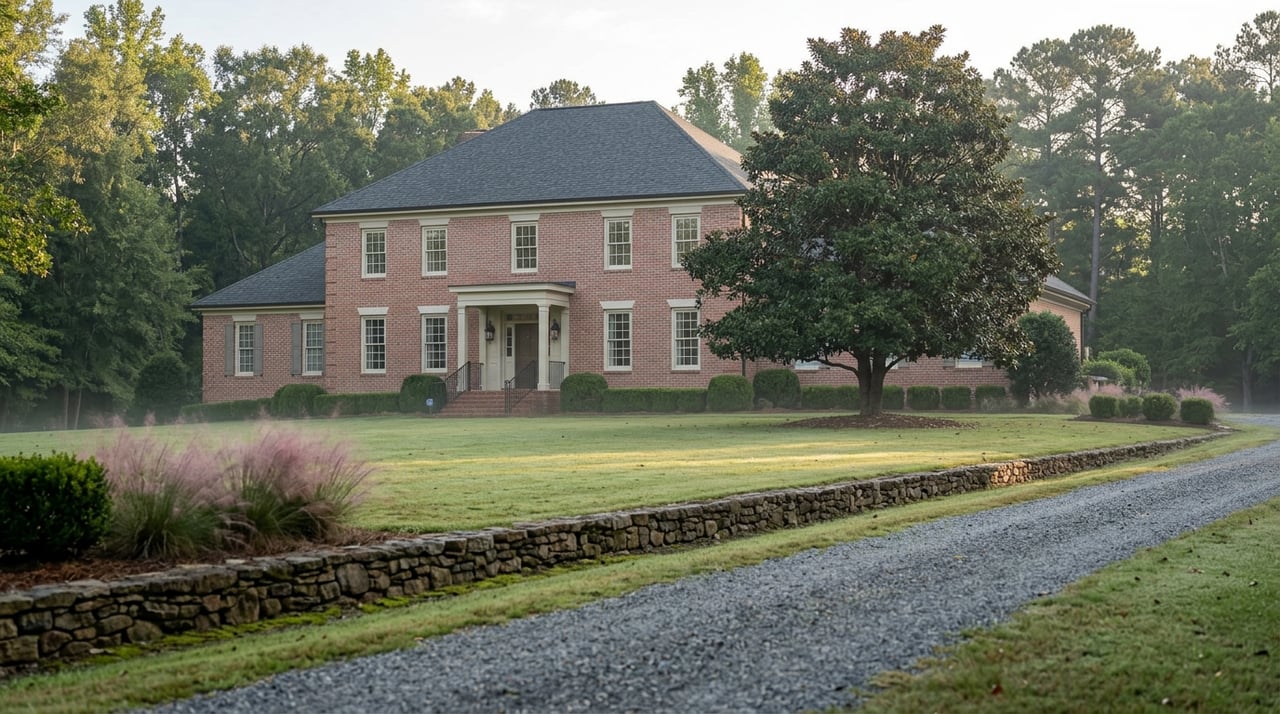
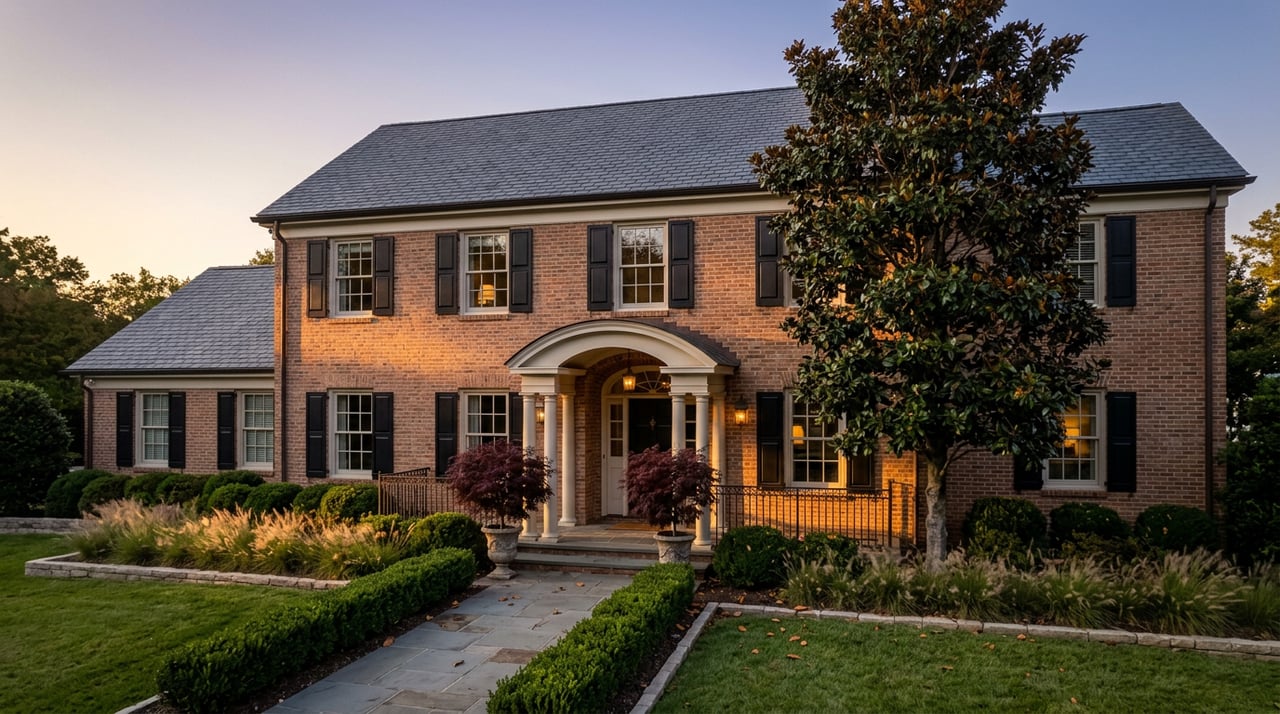
If there is one style most closely associated with traditional Atlanta luxury real estate, it is Colonial Revival. The style appears throughout older northern neighborhoods and continues to influence newer custom construction today.
- Strongest presence: Colonial Revival homes are especially prominent throughout Buckhead and parts of Alpharetta and Brookhaven
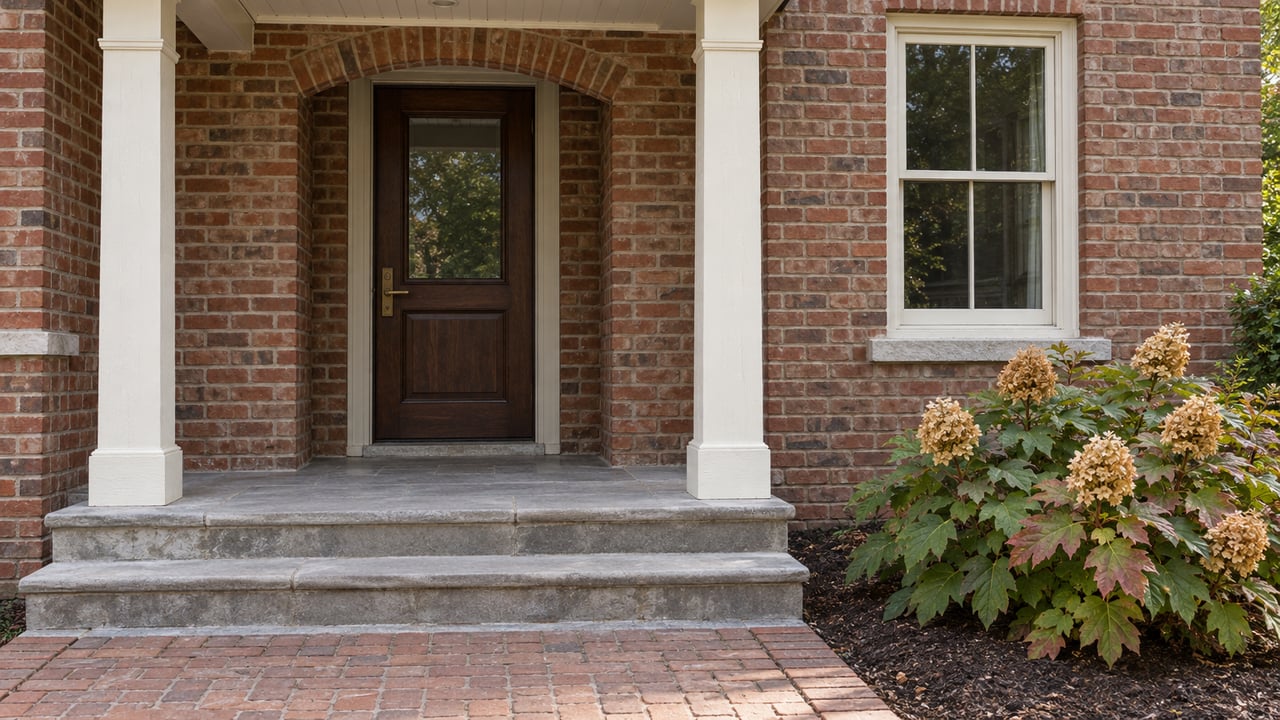
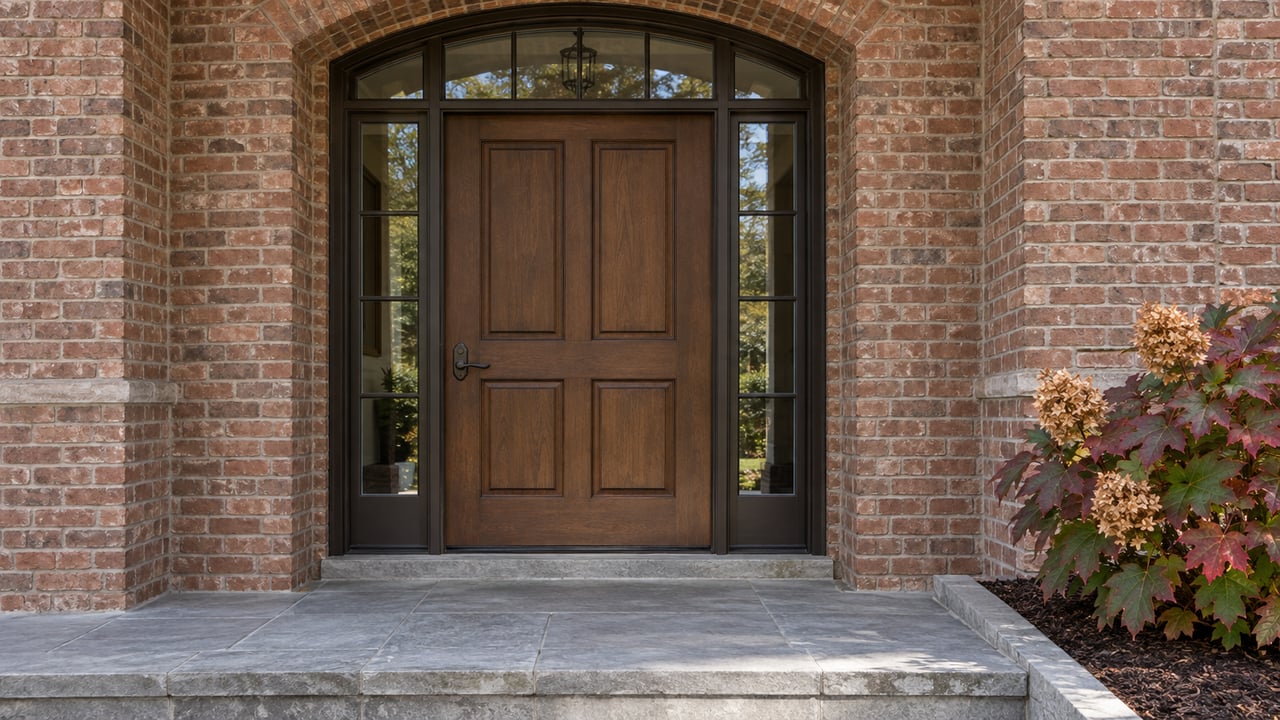
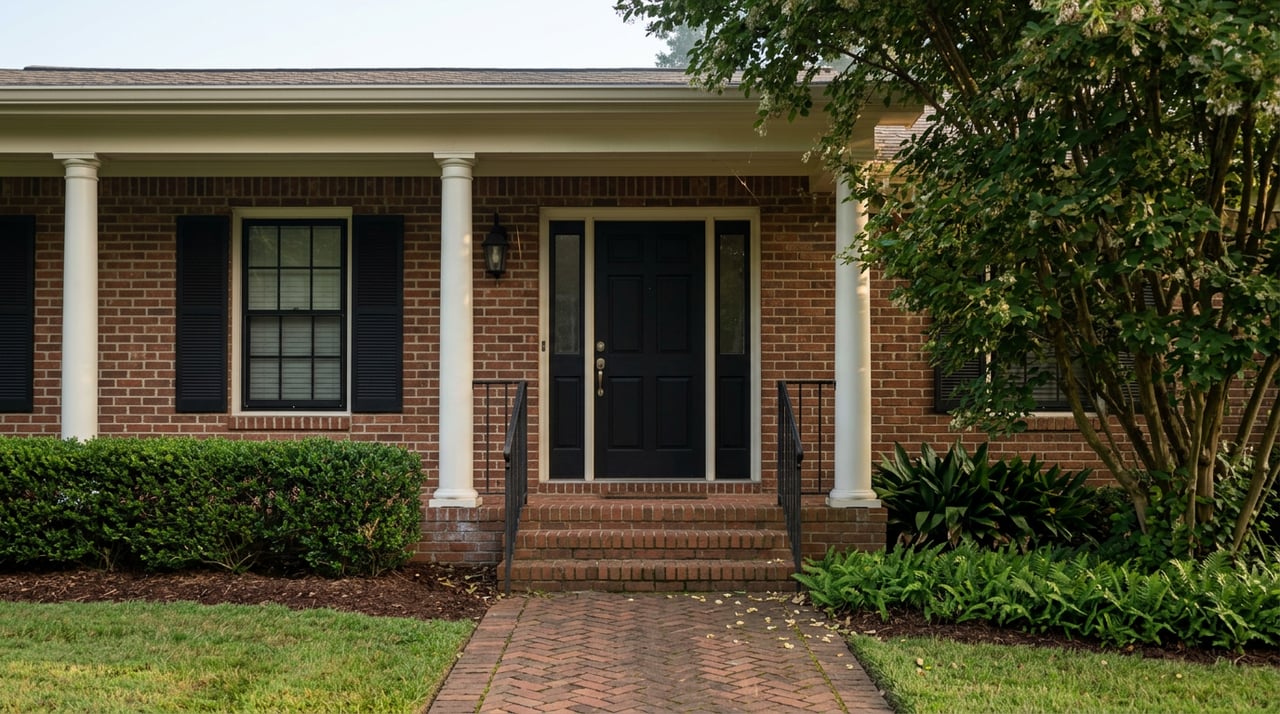
- Architectural hallmarks: Red brick facades, symmetrical layouts, shuttered windows, and formal entryways define the style.
- Enduring appeal: The architecture translates well to larger lots and estate-style settings
This style tends to age particularly well because of its proportion and simplicity. Even newly constructed homes often borrow heavily from timeless Colonial Revival design principles.
English Tudor
English Tudor homes bring a very different feel to the Atlanta market. Their steep rooflines, brickwork, and asymmetrical forms create a storybook aesthetic with romantic and old-world character.
- Key neighborhoods: You'll find Tudor homes most prevalent in Druid Hills, Avondale Estates, and Buckhead
- Recognizable details: Half-timbering, arched entries, prominent chimneys, and multi-gabled roofs distinguish the style
- Landscape compatibility: Mature trees and rolling lots complement Tudor architecture particularly well
These homes tend to appeal to buyers looking for architectural individuality rather than strict formality. In the right setting, they feel remarkably timeless.
Mid-Century Ranch and Contemporary Design
Atlanta's postwar expansion introduced large numbers of ranch homes across both in-town and suburban neighborhoods. In recent years, contemporary architecture has also become increasingly visible throughout redevelopment areas.
- Mid-century ranch locations: Common in North Druid Hills, Chamblee and many neighborhoods inside the perimeter
- Contemporary growth areas: Modern homes are increasingly concentrated in Midtown, the Westside, and northern suburbs such as Sandy Springs
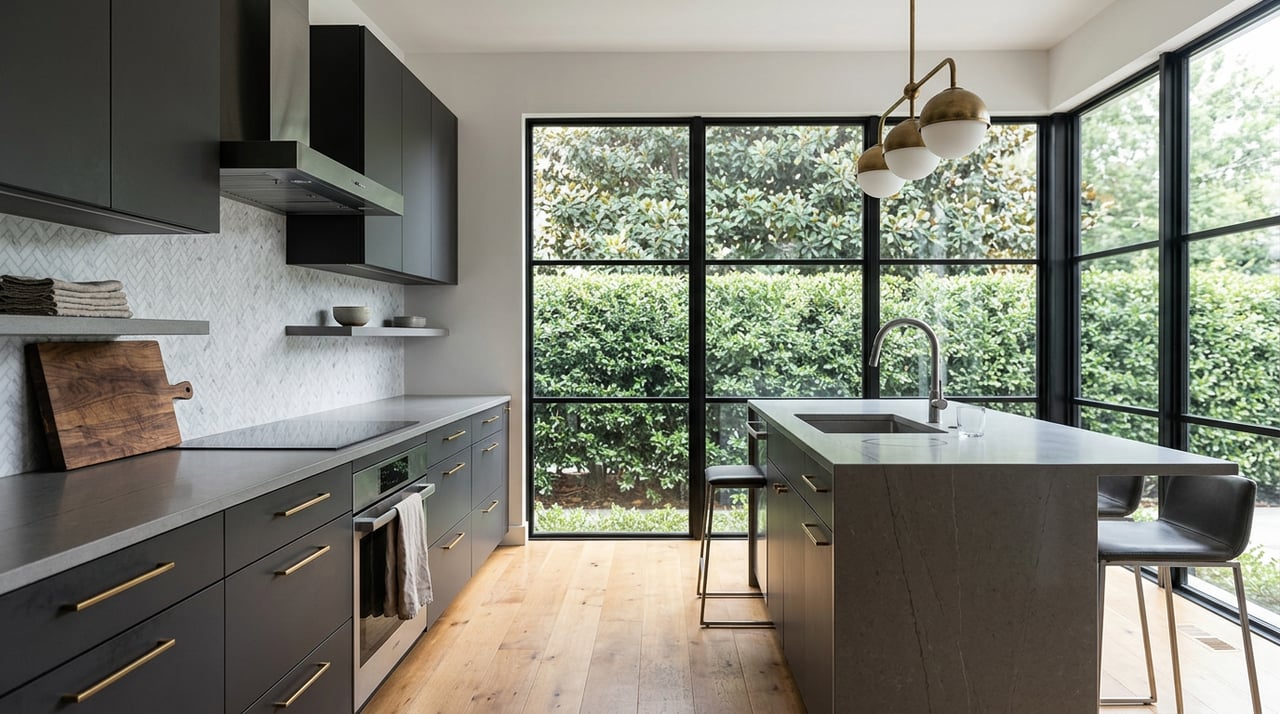
- Shared design philosophy: Open layouts, indoor-outdoor flow, and simplified lines define both styles in different ways
Many ranch homes are now being thoughtfully renovated rather than replaced, while newer contemporary homes continue to reshape portions of the city's residential landscape.
Architecture and Neighborhood Identity
In Atlanta, architecture often tells you as much about a neighborhood as the location itself. Certain styles became tied to specific eras of development, and those patterns still influence buyer preferences today.
- Historic neighborhoods: Tend to maintain stronger architectural continuity
- Northern suburbs:Often lean more traditional and estate-oriented, with a number of contemporary builds as well
- Redevelopment corridors: Continue to introduce newer contemporary styles alongside older post-war housing
As a buyer, understanding these architectural patterns can help you identify neighborhoods that align with both your lifestyle and long-term preferences.
FAQs
What is the most common historic home style in Atlanta?
Craftsman homes are among the most widely recognized historic styles, especially throughout Atlanta's intown neighborhoods.
Where are Atlanta's largest traditional estate homes typically located?
Buckhead remains one of the strongest concentrations of larger Colonial Revival and traditional estate-style properties.
Are modern homes becoming more common in Atlanta?
Yes. Contemporary architecture has become increasingly visible in Midtown, the Westside, and several of Atlanta's most popular suburbs.
Explore Atlanta's Luxury Lifestyle with Brandon Patterson
Atlanta's architecture reflects the city's evolution over time. Different eras of growth produced very different residential styles, and today that variety gives buyers an unusually broad range of options.
If you're exploring Atlanta's luxury neighborhoods,
connect with me, Brandon Patterson, today to start your Atlanta real estate journey. I would love the opportunity to showcase Atlanta's luxury real estate market and help you find your own architectural gem.