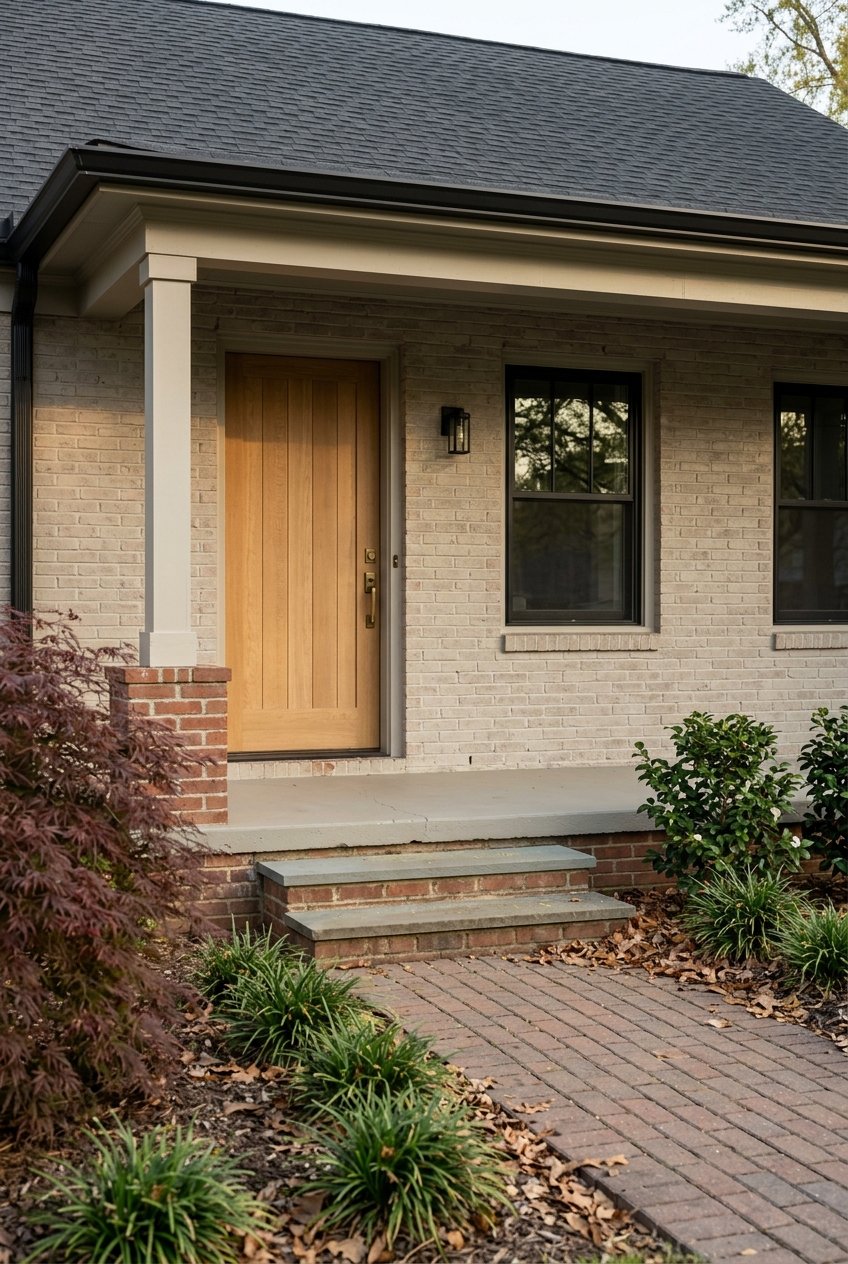
Decatur Cottages Vs New Builds: How To Choose Your Next Home
May 21, 2026
May 21, 2026
If you are torn between a charming Decatur cottage and a polished new build, you are not alone. In a city where early-1900s homes sit near newer infill projects, the right choice often comes down to how you want to live, what work you are willing to take on, and how long you plan to stay. This guide will help you compare character, maintenance, efficiency, walkability, and resale so you can make a smart decision with confidence. Let’s dive in.
Decatur is not a place where one housing type clearly wins. The city was largely built out during the 1920s, and homes from the early 1900s are still common today. At the same time, Decatur continues to add infill single-family homes, townhomes, and cottage-court projects near downtown and MARTA.
That mix gives you real options, but it also makes the decision more nuanced. You are not simply choosing between “old” and “new.” You are weighing lifestyle, upkeep, design, and neighborhood fit in a market where demand remains strong and inventory stays tight.
Local numbers reinforce that point. Census QuickFacts lists Decatur’s owner-occupied housing rate at 63.9% and median owner-occupied value at $701,400, while a March 2026 Redfin snapshot shows a median sale price of $705,000 and about 37 days on market. The City of Decatur’s FY2024 report also notes that limited inventory continues to push values higher.
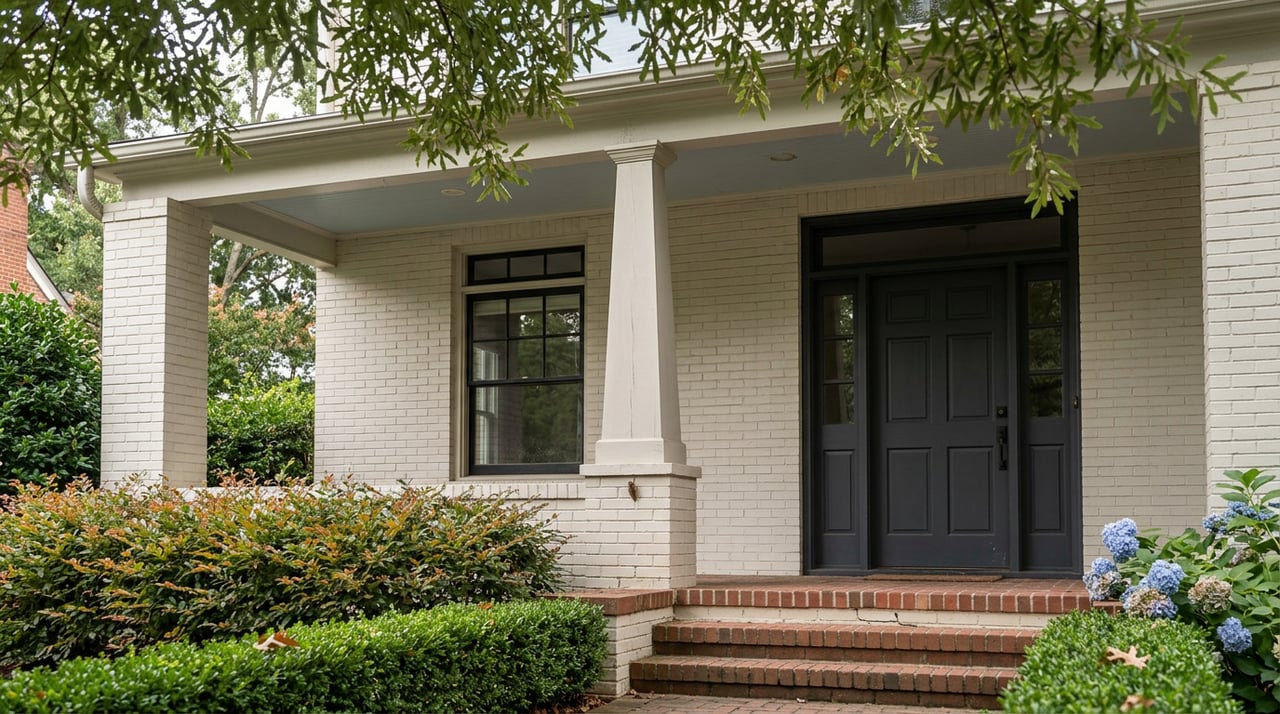
For many buyers, a Decatur cottage offers something hard to replicate. Old Decatur’s historic guidelines identify Bungalow and Queen Anne Cottage among the area’s predominant home types, and the city describes many neighborhoods as having developed between 1910 and 1940 as garden suburbs.
That history still shapes the experience of living there today. You may find larger lots, homes set farther back from the street, garages or driveways positioned toward the rear, and a strong relationship between the house and the backyard. In many areas, tree-lined streets and low-traffic blocks add to the appeal.
In Decatur, location is often just as important as the house itself. The city reports more than 60 miles of sidewalks, three MARTA stations, and downtown and neighborhood commercial districts within easy walking distance of historic single-family neighborhoods.
The Square is a 15-block walkable district with more than 1.5 million square feet of commercial space and more than 45 restaurants. If you want a home that supports a more connected, on-foot lifestyle, many older cottages are well positioned for that kind of daily routine.
Charming does not always mean seamless. Older cottages were not typically designed around today’s open-plan preferences, and room sizes, storage, and flow may feel different from what you see in newer homes.
That does not make them less appealing. It simply means you should look closely at how the layout fits your real life, including how you cook, work from home, entertain, and move through the space each day.
Before you fall in love with an older home, find out whether it sits in one of Decatur’s local historic districts. In those areas, exterior material changes require a Certificate of Appropriateness before a permit is issued.
That can affect renovation plans, repair timelines, and project costs. It does not mean you cannot improve the home, but it does mean the process may require more planning and closer attention to approved materials and design compatibility.
Historic Decatur guidelines note that brick and clapboard are common exterior materials in older homes. The same guidance says vinyl or metal siding can detract from Old Decatur’s integrity, which is important if you are considering exterior updates.
Older homes can be deeply rewarding, but they often ask more of you in return. Deferred maintenance, aging systems, and repair decisions that need to respect the home’s original character should all be part of your budget and timeline.
If the home was built before 1978, lead-safe planning should be part of your due diligence. Older homes are more likely to contain lead-based paint, so renovation work should be approached carefully.
This is especially important if you expect to repaint, replace windows, remove trim, or open walls soon after closing. Even if the home has been updated, it is wise to understand what work has been done and how future projects should be handled.
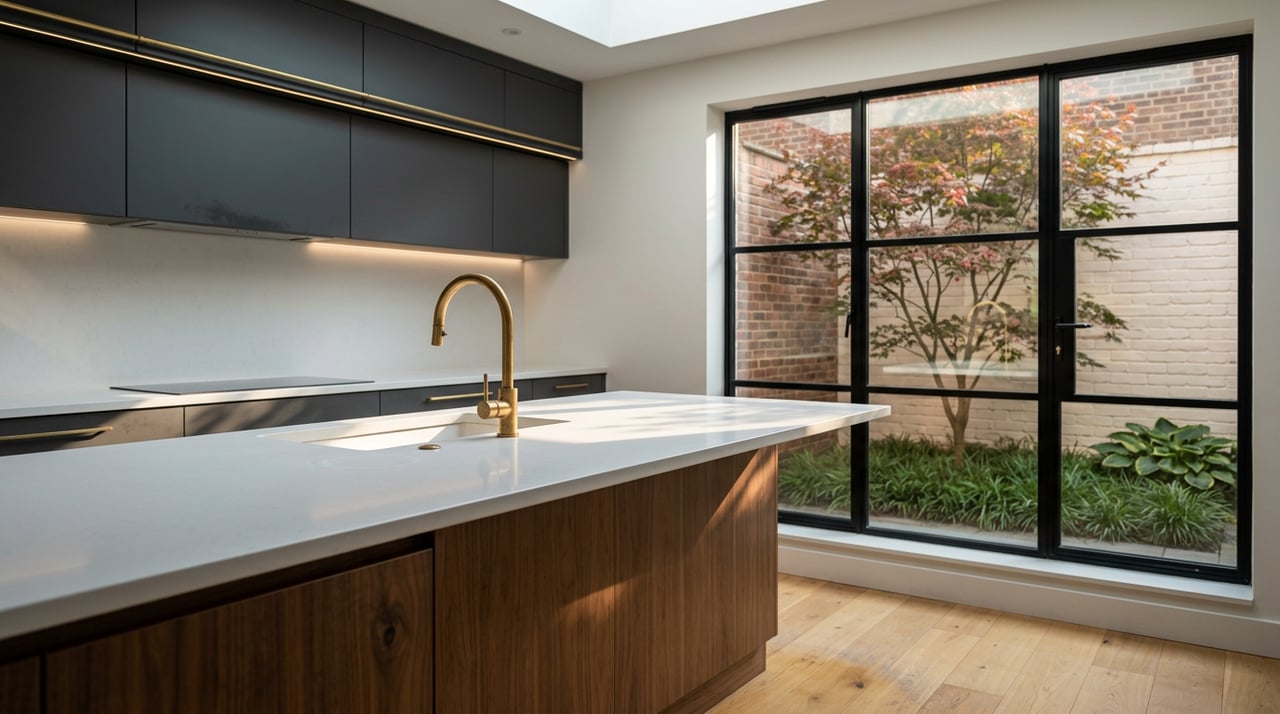
New construction appeals to buyers who want a simpler move-in experience. In many cases, newer homes and townhomes are planned around current expectations for comfort, storage, and everyday function.
That often means more open living spaces, better integration between kitchen and gathering areas, and fewer immediate repair projects. If you value convenience and predictability, a new build may align better with your priorities.
This is not a theoretical option. Decatur’s FY2024 report notes 36 new dwelling units permitted, including a 32-unit attached townhouse project on Church Street and Forkner Drive, along with the Oak Cottage Court pilot.
The city describes Oak Cottage Court as a more affordable option for young professionals, empty nesters, and service-sector employees. Five of its six cottages had sold by the report date, showing that smaller new-home formats can attract strong buyer interest in Decatur.
Newer homes begin with current code requirements, which can give you a stronger baseline for efficiency and comfort. Georgia’s current state minimum codes include the 2024 IRC with Georgia amendments and the 2015 IECC with Georgia supplements and amendments.
Some homes go beyond code minimums. EPA states that ENERGY STAR certified new homes are at least 15% more efficient than homes built to current code and typically 20% to 30% more efficient. That can matter not only for utility costs, but also for comfort, durability, and near-term maintenance expectations.
A common concern with infill construction is whether it will feel disconnected from the surrounding block. Decatur’s historic-district guidance addresses that directly by stating that new buildings should be compatible in scale and traditional roof form, reference historic types and styles, and still remain distinguishable as contemporary construction.
The city’s planning materials also say new duplex and walk-up-flat types should conform to single-family size, height, floor area ratio, and lot-coverage standards so they fit the neighborhood. In other words, local policy aims to help new housing feel appropriate to its setting.
New builds in Decatur are not limited to large houses. Cottage-court homes, townhomes, and other smaller formats respond to demand from first-time buyers, downsizers, and buyers who want lower-maintenance living in a walkable area.
If your priority is ease of ownership over lot size, these options may deserve a serious look. They can offer a cleaner handoff into your next chapter without requiring you to take on a major renovation project.
In Decatur, age alone does not define resale strength. The local market remains active, and the city says in-fill single-family dwellings remain highly desirable.
The safer takeaway is that condition, location, and buyer fit matter at least as much as whether a home is old or new. Renovated older homes that preserve neighborhood character can perform well, and newer homes that fit the block and offer strong energy and maintenance advantages can also have a compelling resale story.
That is especially true in a city where walkability, access to MARTA, and proximity to downtown amenities shape demand. For many buyers, the feeling of the block and the ease of daily living are just as important as square footage.
A Decatur cottage can give you warmth, personality, and a sense of place that feels hard to manufacture. A new build can give you efficiency, ease, and a more predictable ownership experience from day one.
Neither option is automatically better. The right move depends on how much character matters to you, how comfortable you are with upkeep, and whether you want your next home to feel like a project, a retreat, or a little of both.
If you want help weighing tradeoffs, narrowing neighborhoods, or comparing specific homes in Decatur, Brandon Patterson offers thoughtful, negotiation-focused guidance tailored to how you want to live.
Stay up to date on the latest real estate trends.
Brandon's goal isn’t just to help you buy or sell a house — it’s to guide you through a meaningful life transition with honesty, empathy, and precision. Whether it’s negotiating the best outcome, refining a property’s presentation, or simply listening deeply, his focus is always the same: your success and peace of mind.