By Brandon Patterson
Some towns reveal themselves slowly, and Milton is one of them. Milton has a way of feeling established and carefully preserved at the same time, which is part of its appeal.
A lot of what makes it memorable comes from details that are easy to miss at first, like how recently the city was formed, how intentionally its rural character is protected, and how deeply horses, parks, and old crossroads still shape daily life.
Key Takeaways
- New city: Milton officially came into existence on December 1, 2006.
- Old roots: The city takes its name from John Milton and the former Milton County.
- Rural plan: About 85% of Milton’s more than 39 square miles is agriculturally zoned, with minimum one-acre residential lots.
- Horse heritage: The city maintains a formal Equestrian Committee and highlights horse farms as part of its identity.
Milton Is Much Newer Than Many People Expect
One of the most surprising things about Milton is how recently it became a city (only in 2006).
The history points I think matter most
- Former county link: Modern-day Milton was once part of Milton County, which existed from 1857 to 1931.
- John Milton namesake: The city’s name honors Revolutionary War hero John Milton.
- Historic sites map: The city and Milton Historical Society created a GIS story map to explore local historic locations and markers.
That mix of recent incorporation and older roots gives Milton a very particular personality.
Milton Protects Its Rural Feel Through the Way It Uses Land
Another fact that surprises people is how much of Milton is planned to stay spacious.
The land-use details worth knowing
- Agricultural zoning: About 85% of the city is agriculturally zoned.
- Lot-size standard: Those agriculturally zoned areas require residential lots of at least one acre.
- Scale of the city: Milton covers more than 39 square miles.
- Luxury effect: Larger lots, pasture views, and more visual breathing room are built into the character of many neighborhoods.
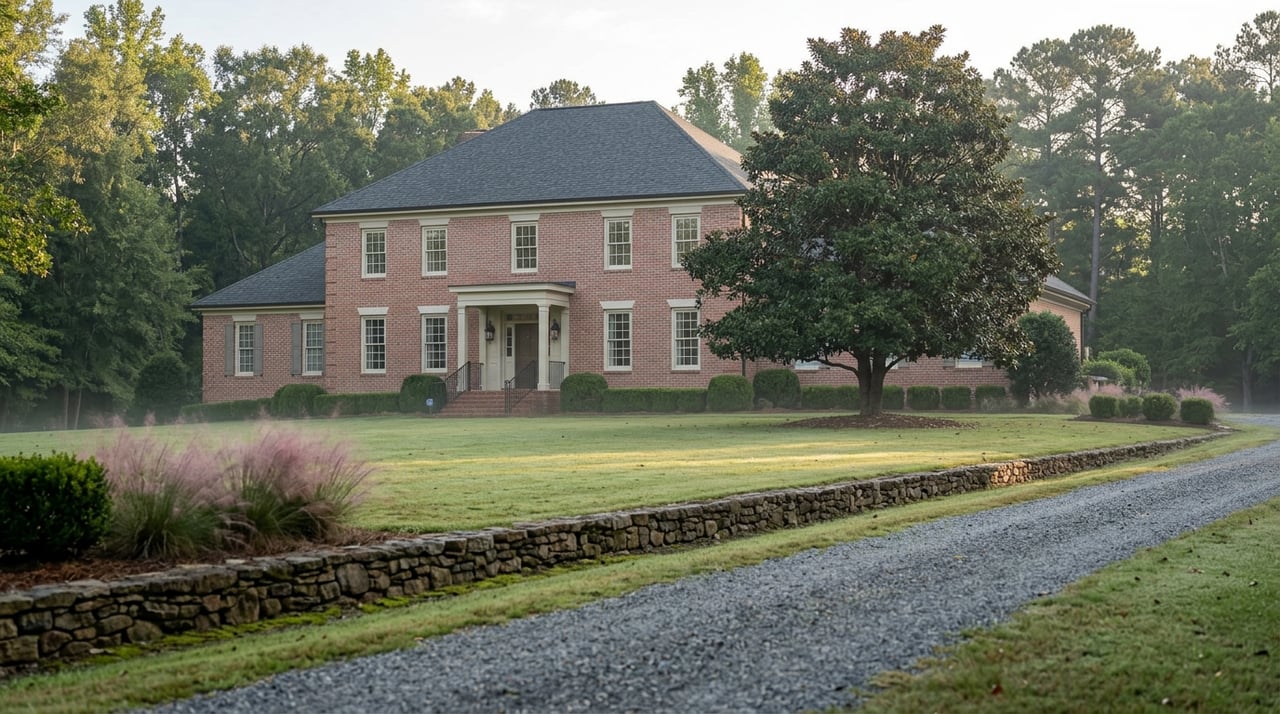
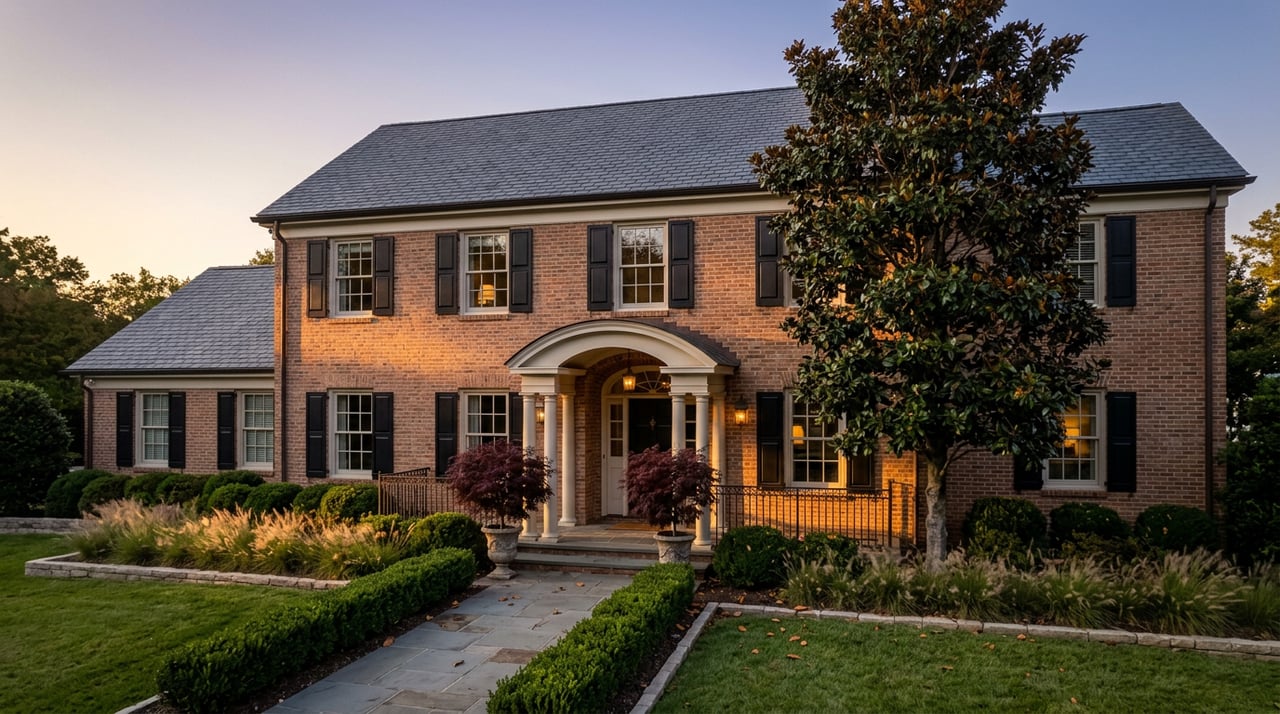
I see that planning choice show up directly in the real estate, especially in the estate-style homes, long driveways, and green views that make the town feel so composed.
Horses Are Part of the Town’s Identity in a Real Way
Milton’s equestrian identity goes beyond branding and shows up in the way horse farms are spread through the city.
Why the equestrian side of Milton stands out
- Formal city support: Milton has an official Equestrian Committee appointed by the Mayor and Council.
- Dispersed horse farms: The city says horse farms are spread widely through Milton rather than concentrated in one pocket.
- Barn culture: Milton actively showcases local barns as part of its rural character.
I think this gives Milton a luxury profile that feels more grounded in land, tradition, and setting than in anything flashy.
Crabapple Functions as Milton’s Civic Heart
Many people assume a place with Milton’s rural reputation would not have a real center, yet Crabapple plays that role clearly.
What makes Crabapple more important than it first appears
- City center role: Crabapple is often billed by the city as the heart of Milton.
- Civic anchors: City Hall and the Milton Library are both in Crabapple.
- Walkable setting: The city points to easy walkability between Crabapple and the surrounding neighborhoods.
This part of Milton matters because it adds a social and civic center to a town known for open land and quiet roads.
The Park System Blends Active Recreation and Preserved Land
Milton’s parks tell an interesting story because the city intentionally maintains both active-use parks and passive preserves.
The park facts I think are most revealing
- Two-part preserve: Milton City Park and Preserve is divided into an active area and a passive preserve.
- Greenspace bond legacy: The passive area there was the first purchase using the city’s voter-approved $25 million greenspace bond.
- Bell Memorial detail: Bell Memorial Park includes athletic fields, walking trails, and the Mark Law Arboretum.
That balance comes into focus at places like Bell Memorial Park, Birmingham Park, and Milton City Park and Preserve, where fields, trails, and conserved land all play very different roles.
FAQs
Is Milton actually a newer city?
Yes, the current City of Milton officially began in 2006. Its newer cityhood is one of the more surprising local facts because the town’s atmosphere feels far older and more established.
Why does Milton feel so different from nearby suburbs?
A lot of that comes from the land-use pattern, especially the agricultural zoning and larger lot structure across much of the city. The equestrian culture and preserved green space add to that distinct character in a very visible way.
What part of Milton best shows its personality?
Crabapple is one of the best places to start because it brings together the civic core, events, and a walkable village feel. Birmingham Park and the broader equestrian landscape also reveal a lot about the town’s deeper identity.
Contact Brandon Patterson Today
Milton has a very particular kind of luxury, and I think it comes through in details like one-acre zoning, equestrian landscapes, the village energy of Crabapple, and the preserved land that still shapes so much of the town.
Reach out to me,
Brandon Patterson, and I will help you look at Milton through the lens that matters most in real estate: how the setting, land, and daily rhythm come together in a way that feels both refined and deeply rooted.