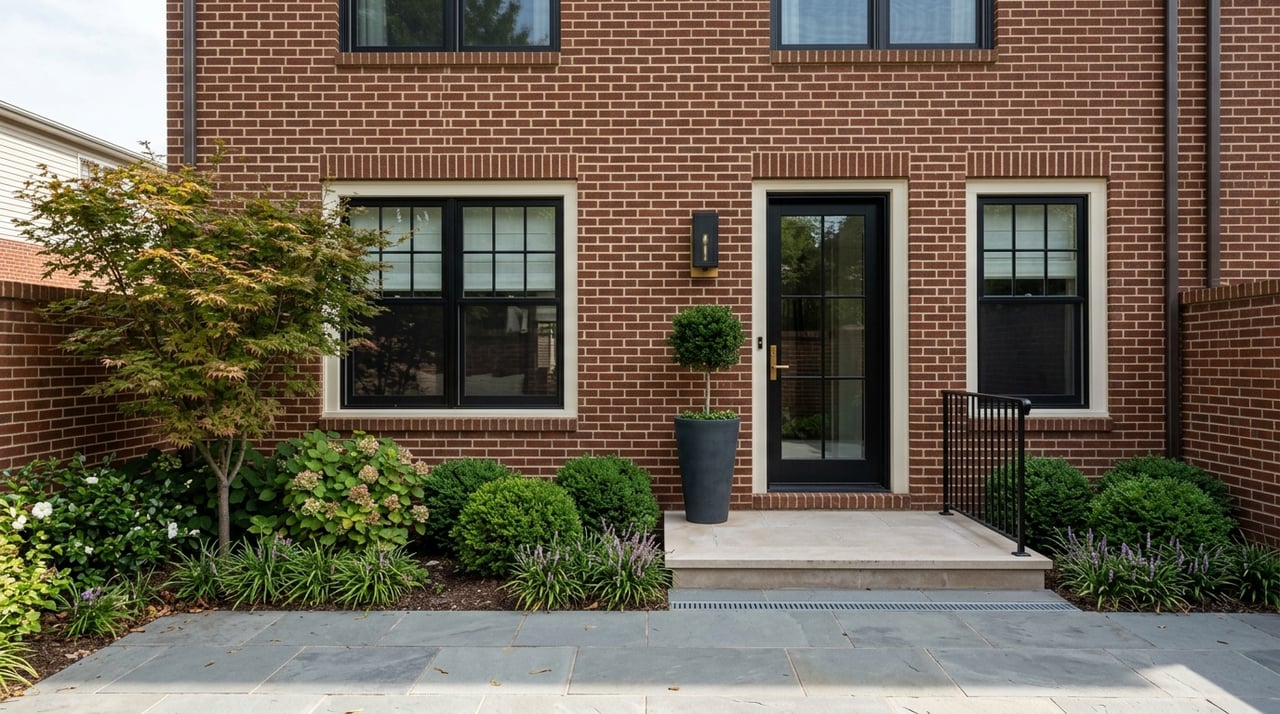
Single-Family Vs Townhome Living In Dunwoody
April 2, 2026
April 2, 2026
Choosing between a single-family home and a townhome in Dunwoody is not just about square footage. It is really about how you want to live day to day, how much upkeep you want to manage, and which tradeoffs feel worth it for your budget and routine. If you are weighing both options, this guide will help you compare maintenance, outdoor space, monthly costs, commute convenience, and resale considerations in a way that fits Dunwoody specifically. Let’s dive in.
Dunwoody offers a mix of established neighborhoods, newer housing, and a major employment hub around Perimeter. According to the city’s 2025-2045 Comprehensive Plan, Dunwoody has about 23,500 housing units, with 44.9 percent detached single-family homes and 4.6 percent townhome or rowhome units.
That tells you two important things right away. First, detached homes remain a major part of the city’s housing landscape. Second, townhomes are available, but they make up a more limited share of the market, which can shape both your search and your long-term resale position.
The same city plan reports a median home price of $545,200, well above the Atlanta metro median of $362,600. In practical terms, that means your housing decision in Dunwoody is significant enough that lifestyle fit matters just as much as price.
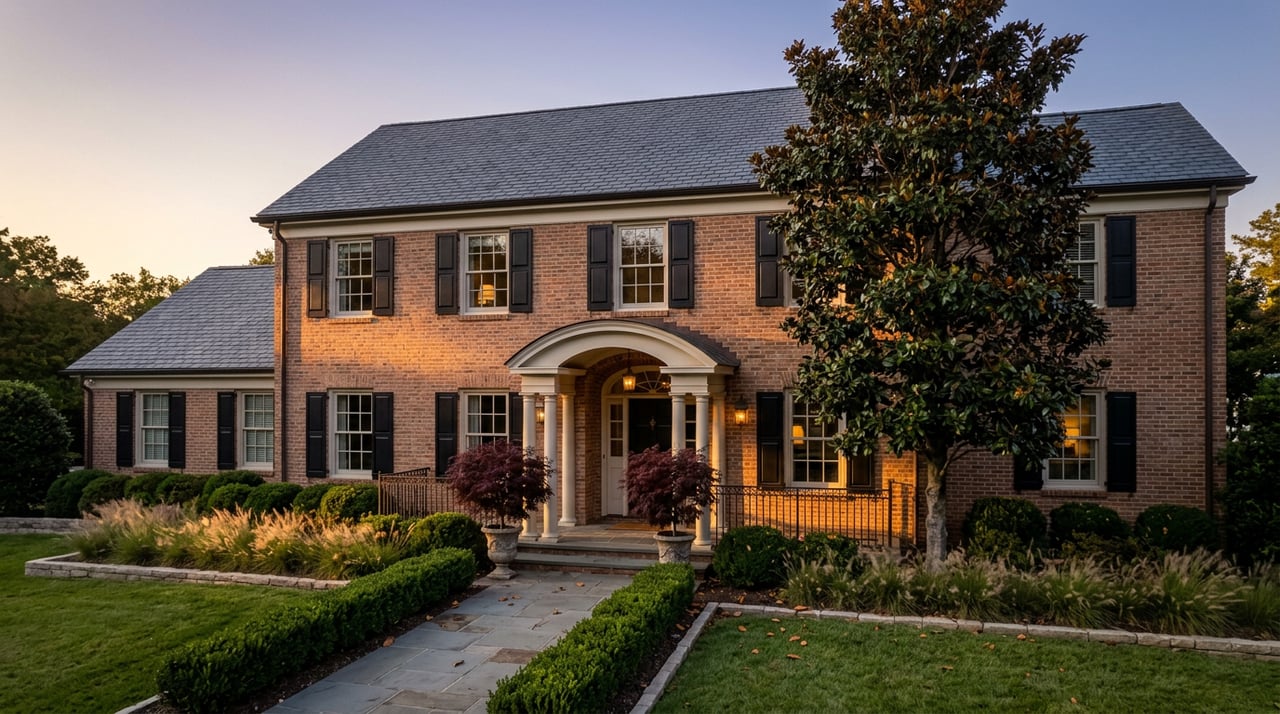
If you want privacy, more separation from neighbors, and the freedom to shape your property over time, a single-family home will usually give you the most flexibility. You are more likely to find larger yards, space for outdoor projects, and room to personalize the property to match your needs.
That freedom also comes with more direct responsibility. In Dunwoody, the city requires permits and plan review for many single-family residential projects, including new structures, additions, decks, sheds, pools, and replacements, as outlined in the city’s single-family permitting guidance.
For many buyers, that is not a drawback. It is simply part of owning a home where the exterior, yard, and future improvements are largely your responsibility to maintain and manage.
Single-family homes may be a stronger fit if you want:
If you picture yourself using the yard often or making gradual updates over time, a detached home may feel more natural long term.
Townhomes appeal to many Dunwoody buyers because they can offer a more streamlined lifestyle. If your priority is reducing yard work, limiting exterior chores, or living closer to Perimeter destinations, a townhome may check a lot of boxes.
The key is to understand what “low maintenance” really means. It usually does not mean maintenance-free. A townhome community may include HOA-managed landscaping and some exterior upkeep, but the scope can vary significantly from one community to another.
That nuance matters. Dunwoody’s tenant resources page notes that code enforcement for multi-family housing, including townhomes, can address exterior concerns such as tall grass, broken gutters, roof disrepair, peeling paint, and unsafe decks. That is a reminder that exterior issues still matter, even in attached housing.
Before you commit to a townhome, review the HOA documents carefully and ask:
This is one of the biggest decision points between property types. A townhome can simplify ownership, but only if the association’s responsibilities match your expectations.
For many buyers, this is the real tie-breaker. Single-family homes usually win if you want outdoor space that is fully your own. That can mean room for a fenced yard, gardening, gatherings, storage, or future additions.
In Dunwoody, that private-space advantage carries extra weight because detached homes are still the city’s largest single housing segment, while townhomes remain a smaller slice of inventory, according to the city’s housing profile.
Townhome living often works differently. Instead of a large private yard, you may be relying more on nearby parks, trails, and shared outdoor spaces. For some buyers, that feels like a worthwhile trade if it comes with less upkeep and a more convenient location.
Dunwoody supports that lifestyle well. The city says it has more than 200 acres of green space and 11 parks, and its Trail Master Plan outlines a 68-mile network of existing, planned, and proposed trails connecting parks, shopping centers, schools, and MARTA stations.
A townhome may feel like a strong fit if you are comfortable trading yard size for:
That trade can be especially appealing near Perimeter, where mixed-use development continues to shape how people live and move around Dunwoody.
Location can easily outweigh property type for the right buyer. Dunwoody says most jobs are located in Perimeter, which it describes as a major regional job center. City materials also highlight destinations such as High Street, Perimeter Marketplace, and Ashford Lane.
If you work in or around Perimeter, a townhome near those destinations may save time and simplify daily life. High Street, for example, is described by the city as a transit-oriented, mixed-use destination near GA-400, I-285, and the Dunwoody MARTA station.
That does not make townhomes automatically better. It simply means that if commute convenience, walkability, and lock-and-leave ease are high on your list, attached housing near Perimeter may feel more efficient than a detached home farther out.
Many buyers assume a townhome will always cost less each month. Sometimes that is true, but not always. The smarter approach is to compare the full monthly picture instead of focusing only on purchase price.
With a single-family home, your costs may include more direct maintenance, yard care, and future repair planning. With a townhome, you may reduce some of those responsibilities, but you will likely add HOA dues.
According to the Consumer Financial Protection Bureau, HOA dues are usually paid directly to the association rather than through your mortgage servicer, and they can range from a few hundred dollars per month to more than $1,000. That means a townhome is not automatically the lower monthly-cost option.
Dunwoody’s city property tax structure also provides useful context. The city says its millage rate is 3.04 mills, homestead properties receive a 1.000 mill exemption, and a typical $350,000 homeowner pays about $21 per month in city property taxes. In many comparisons, that means the larger monthly swing comes from maintenance and HOA costs, not city taxes alone.
When you are deciding between a single-family home and a townhome in Dunwoody, compare:
Looking at the full carrying cost gives you a much clearer answer than price alone.
Resale is rarely just about property type. In Dunwoody, it is more useful to think about how well a home matches the likely buyer pool for its location and price point.
Detached homes often appeal to buyers who want yard space, privacy, and room to customize. Townhomes often attract buyers who value convenience, lower-maintenance living, and proximity to Perimeter employment and retail destinations. Those patterns line up with the city’s housing mix and amenity geography.
Dunwoody’s housing profile also points to a relatively stable residential base. The city reports that 66 percent of households had lived in Dunwoody before 2010, which supports the idea of established neighborhoods and long-term ownership patterns. In a market like that, well-located and well-maintained homes in either category can benefit from steady buyer interest.
Whether you choose a detached home or a townhome, these factors often matter most:
In other words, a well-positioned townhome can outperform an average detached home for the right buyer, and the reverse is also true.
If you are still torn, the most helpful question is not “Which property type is better?” It is “Which lifestyle will still feel right to me three to five years from now?”
Choose a single-family home if you value space, privacy, outdoor flexibility, and control over the property. Choose a townhome if you value convenience, reduced exterior upkeep, and a location that may place you closer to Perimeter, MARTA access, and mixed-use amenities.
In Dunwoody, both options can make sense. The right answer depends on how you want to spend your time, what monthly costs you are comfortable carrying, and whether private yard space or everyday convenience matters more to you.
If you want help weighing the tradeoffs in specific Dunwoody communities, Brandon Patterson offers private, relationship-first guidance built around your priorities, budget, and long-term goals.
Stay up to date on the latest real estate trends.
Brandon's goal isn’t just to help you buy or sell a house — it’s to guide you through a meaningful life transition with honesty, empathy, and precision. Whether it’s negotiating the best outcome, refining a property’s presentation, or simply listening deeply, his focus is always the same: your success and peace of mind.