Architectural Styles You’ll See Across Intown Atlanta
June 25, 2026
June 25, 2026
Ever wonder why one intown Atlanta block feels porch-friendly and relaxed, while another feels ornate, dramatic, or distinctly urban? If you are searching in and around Buckhead, especially near 30305, understanding local architecture can help you narrow your options faster and spot the kind of home that fits your lifestyle. This guide walks you through the main architectural styles you are likely to see across intown Atlanta, with extra attention to Buckhead’s local context. Let’s dive in.
Intown Atlanta does not read like a single-style city. Its housing tells the story of how Atlanta grew, from streetcar suburbs and Victorian districts to bungalow neighborhoods, warehouse conversions, and Buckhead’s modern corridor.
That matters when you are buying or selling. Architectural style often shapes layout, curb appeal, maintenance expectations, and even the overall feel of daily life in a home.
Because 30305 is the focus here, Buckhead deserves special attention. According to the Atlanta History Center, Buckhead began as a late-19th-century rural area and evolved into a prestigious residential district with grand homes along Peachtree Road.
That same corridor also reflects Buckhead’s mid-century chapter. The area includes notable 1950s-era condo and apartment buildings, which means you can see older estate traditions and modernist living patterns within the same broader area.
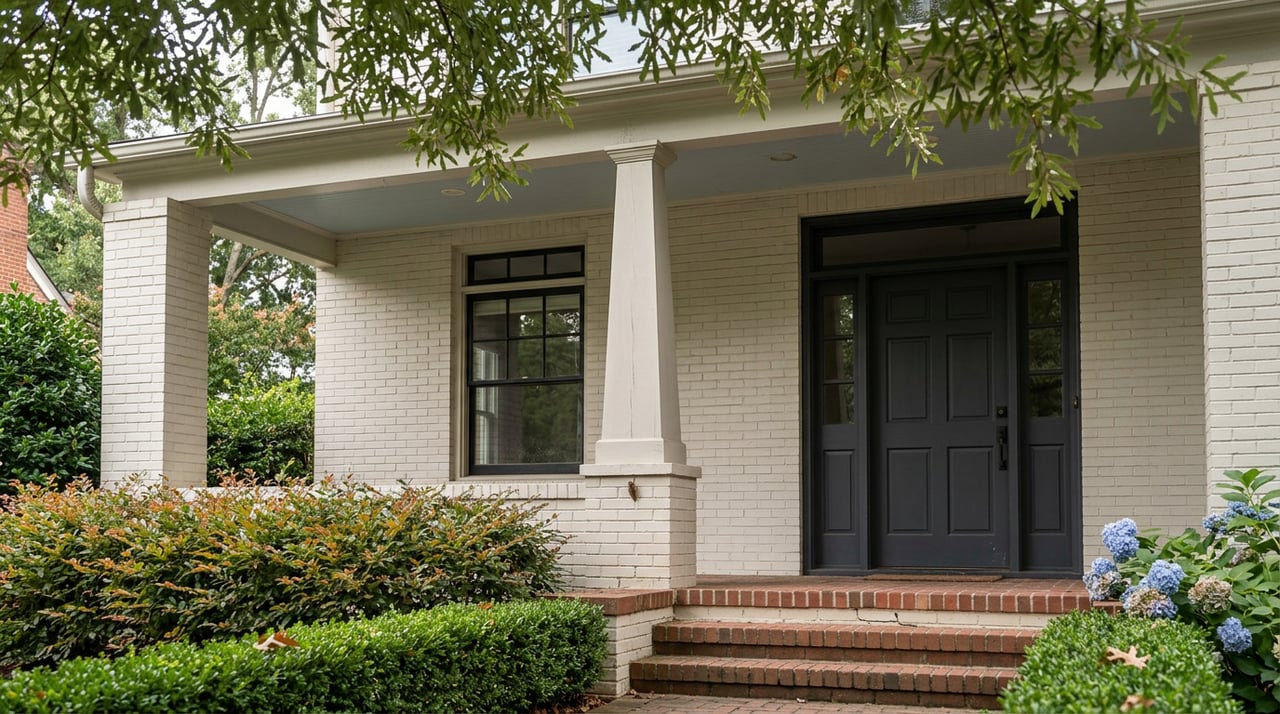
Craftsman bungalows are some of the easiest homes to recognize once you know the cues. Look for low-pitched roofs, wide front porches, exposed rafter tails, triangular knee braces, grouped windows, and a modest, human-scale footprint.
These homes tend to feel approachable from the street. Their strong porch presence and practical scale often give them a less formal look than larger historic houses.
Craftsman bungalows are especially common in Grant Park, Adair Park, Virginia-Highland, Candler Park, and Edgewood. City preservation materials identify Craftsman as the dominant influence in Adair Park, while Virginia-Highland’s planning history ties the bungalow form closely to its 1910s and 1920s growth.
If you like the idea of an early-20th-century intown neighborhood, this is one of the most recognizable styles to study. These areas form much of Atlanta’s classic bungalow ring.
Many buyers are drawn to Craftsman homes for their historic character and manageable scale. If you like front-porch living, visible architectural detail, and a home that feels connected to the street, this style often stands out.
From a design perspective, Craftsman homes also offer strong personality without feeling oversized. That balance is part of their lasting appeal across intown neighborhoods.
In Atlanta, Victorian usually refers to Queen Anne and Folk Victorian influences rather than a single exact formula. Common visual cues include steep, irregular rooflines, asymmetrical shapes, turned porch supports, spindlework, leaded glass, and, in some cases, turrets.
These homes tend to read as more elaborate than bungalows. The facades are often more articulated, with trim and ornament that create a more formal presence.
Grant Park is one of the clearest neighborhood examples of Victorian architecture in Atlanta. Inman Park is another essential reference point, especially because it was Atlanta’s first streetcar suburb and still preserves much of that historic character.
The Atlanta History Center also points to dramatic Victorian facades in Grant Park and late-Victorian houses in Inman Park. If you want to understand Atlanta’s more decorative historic vocabulary, these are two important places to look.
Victorian homes usually appeal to buyers who appreciate originality and ornament. If you enjoy detailed trim, visually distinctive exteriors, and a strong sense of historic identity, this style may feel especially compelling.
These homes can also be a fit for buyers who are comfortable with the stewardship that often comes with older properties. For the right person, that character is the point.
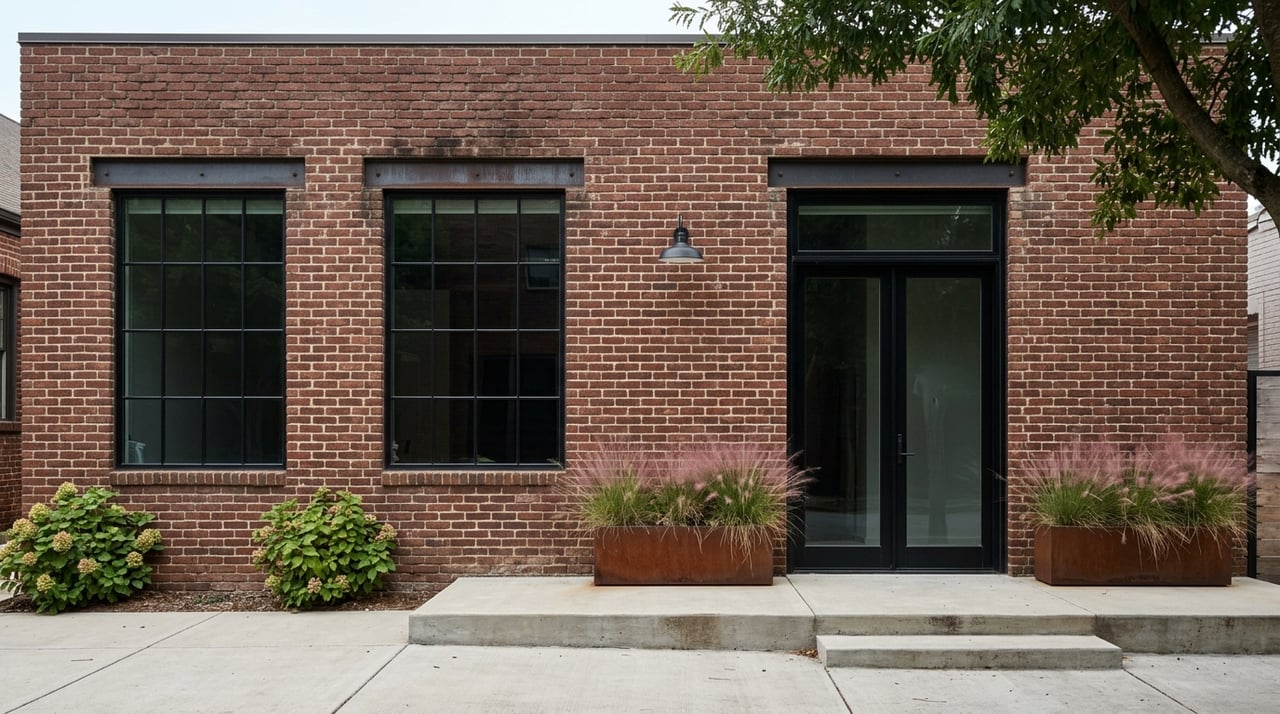
Industrial lofts bring a very different architectural language to intown Atlanta. The visual cues often include large brick warehouse buildings, industrial sash windows, loading docks, flat facades, and minimal ornament.
These buildings were not originally designed as conventional homes. That is exactly why they tend to feel distinct once converted for residential use.
The strongest industrial-loft references are on the west side intown, especially in Castleberry Hill and the Means Street and Marietta Street corridor. City materials describe Means Street as a surviving pocket of late-19th- and early-20th-century commercial and industrial buildings, many of which were rehabilitated into loft apartments and office space in the 1990s.
Castleberry Hill is also identified by the city as Atlanta’s largest and best concentrated remnant of railroad buildings. Together, these areas anchor Atlanta’s warehouse-conversion story.
Loft living often means open-plan interiors, larger visual volume, and fewer interior partitions. For some buyers, that creates a flexible, urban feel that is hard to replicate in a traditional house.
This style often appeals to people who want character but not a standard residential layout. If adaptive reuse, exposed industrial features, and an edgier city aesthetic appeal to you, lofts are worth a closer look.
In Buckhead, mid-century modernism is part of the local architectural identity. This is especially relevant in 30305, where Peachtree Road includes notable modern architecture from the 1950s era.
Docomomo identifies Buckhead as home to a significant collection of modern architecture along Peachtree Road, including the 1955 condominium complex at 2520 Peachtree Road NW. The Georgia Trust also notes that the 1951 Paces Ferry Tower apartment building was designed in the International Style and was once the tallest structure in Buckhead.
Mid-century condo and apartment buildings generally feature simpler massing and a cleaner visual profile than earlier historic styles. Instead of ornate trim or dramatic porch details, the focus is often on proportion, structure, and a modernist sense of restraint.
In practical terms, these homes can offer a different kind of intown living. They often suit buyers who want convenience and a more lock-and-leave setup than a detached house may provide.
If you are looking in Buckhead and want something with architectural identity but not a new-tower feel, mid-century condos can be a compelling option. They often appeal to professionals, executives, and downsizers who value intown access and retro-modern character.
For 30305 buyers in particular, this is one of the most local and useful style categories to understand. It is not just part of Atlanta’s bigger story. It is part of Buckhead’s own design heritage.
Modern infill adds another layer to intown Atlanta’s architecture. Rather than replacing neighborhood character outright, many newer projects are designed to fit the scale and rhythm of existing streets.
AIA Georgia examples show this approach clearly. In Old Fourth Ward, a bungalow addition uses clean lines while staying scaled to the original house, and in Ansley Park, a narrow-lot infill project uses modern planning, strategic glazing, and street-side privacy.
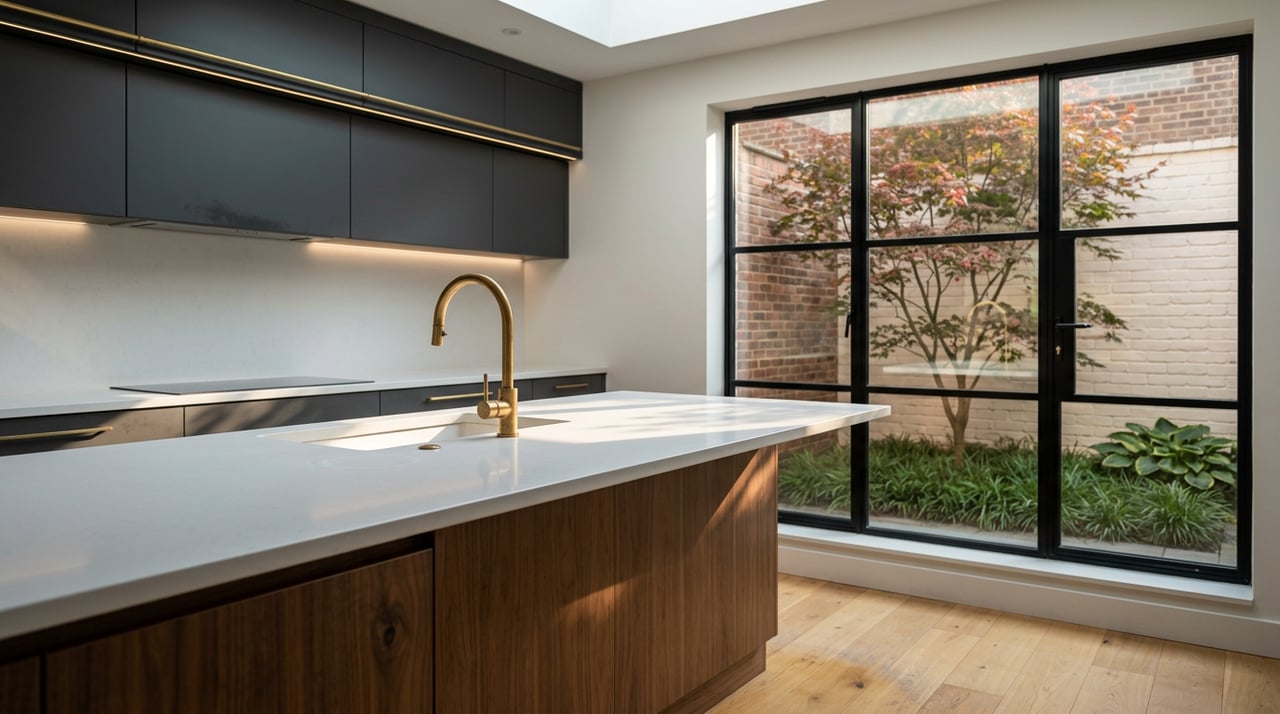
Modern infill often translates to brighter interiors, open-plan living, and a stronger connection to outdoor space. At the same time, the exterior may still respect the scale of the surrounding block.
For buyers, this can offer a useful middle ground. You get newer-function living in a close-in neighborhood without requiring a full replica of historic detailing.
This style often fits buyers who want efficient, current layouts but still care about how a home sits within its neighborhood context. If compatibility matters to you more than strict historical imitation, modern infill can make a lot of sense.
It also reflects how intown Atlanta continues to evolve. The city’s architecture is not frozen in time, and that ongoing change is part of the appeal.
One of the easiest ways to understand intown Atlanta architecture is to see it as a timeline. Victorian districts reflect the city’s earlier streetcar-era growth, bungalow neighborhoods track early-20th-century expansion, warehouse lofts connect to industrial and railroad corridors, and Buckhead’s mid-century buildings point to a later chapter of modern urban living.
That sequence helps explain why intown Atlanta feels so varied from one neighborhood to the next. It is less about one dominant style and more about layers of development that are still visible today.
Architectural style should not be the only factor in your search, but it can be a very useful filter. It helps you think beyond price and bedroom count and focus on how you actually want to live.
As you explore intown Atlanta and Buckhead, ask yourself:
The clearer you are on those answers, the easier it becomes to target the right neighborhoods and property types.
If you are considering a move in Buckhead or elsewhere across intown Atlanta, working with an adviser who understands both neighborhood context and design differences can save you time and help you make a more confident decision. For a private consultation, connect with Brandon Patterson.
Stay up to date on the latest real estate trends.
Brandon's goal isn’t just to help you buy or sell a house — it’s to guide you through a meaningful life transition with honesty, empathy, and precision. Whether it’s negotiating the best outcome, refining a property’s presentation, or simply listening deeply, his focus is always the same: your success and peace of mind.