Shopping for a home near Avalon or Windward and seeing seven-figure price tags? If your loan amount crosses a key threshold, you could be in jumbo territory with different rules and requirements than a standard mortgage. You want clarity before you write an offer, especially in a competitive Alpharetta market. This guide breaks down jumbo basics, local price points, typical underwriting, and rate choices so you can move with confidence. Let’s dive in.
What is a jumbo loan?
A jumbo mortgage is any single-family home loan whose unpaid principal balance exceeds the conforming loan limit established by the Federal Housing Finance Agency. The 2024 baseline conforming limit is $766,550. Any loan amount above that baseline is typically considered jumbo unless a county-specific high-cost limit applies. In practical terms for Alpharetta, if the loan you need is more than $766,550, you will enter the jumbo market with lender-specific underwriting.
Purchase price vs. loan amount
Many buyers focus on list price, but lenders look at loan amount.
- An $800,000 purchase with 20% down equals a $640,000 loan, which is conforming.
- The same $800,000 purchase with 10% down equals a $720,000 loan, still conforming.
- The jumbo trigger is the loan amount, not the purchase price.
Where jumbos show up in Alpharetta
Alpharetta offers a wide range of homes and amenities, which also means a wide range of prices.
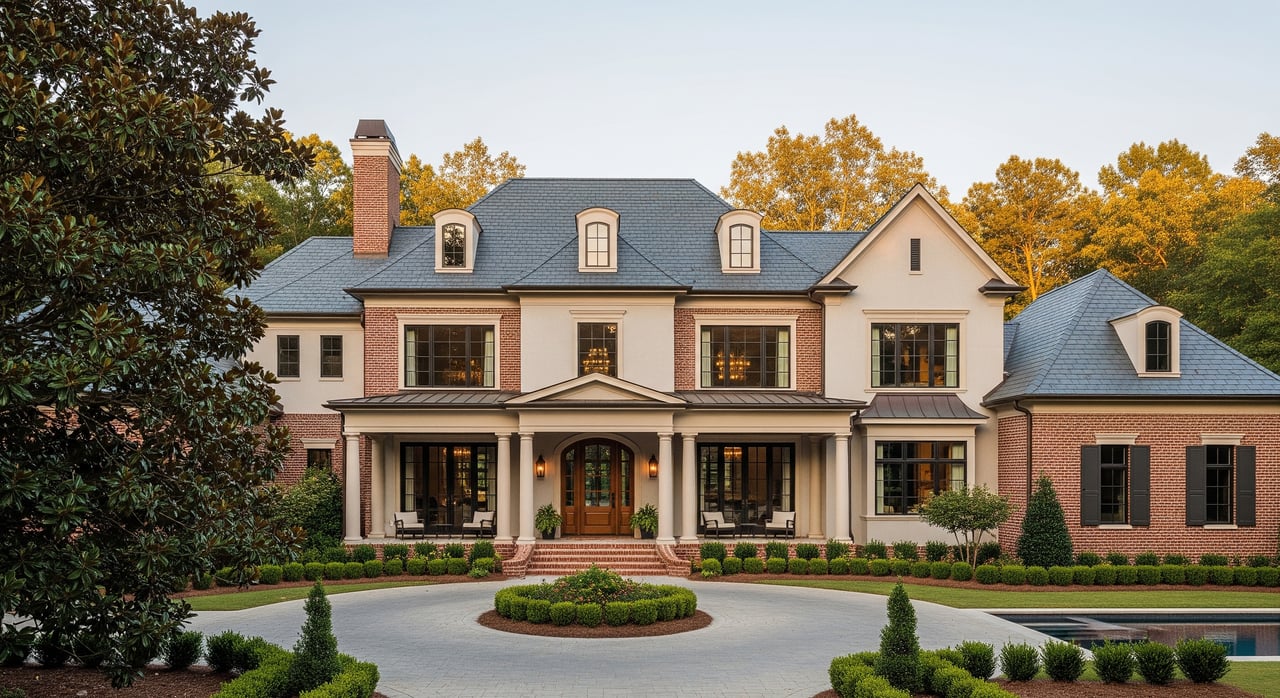
- Avalon area homes, including nearby single-family options, often range from the mid $600s to $1.5 million or more depending on type and lot.
- Windward, with established golf and waterfront communities, frequently runs from about $700,000 into $2 million plus for larger or custom homes.
- Because many homes near Avalon and Windward exceed typical conforming thresholds, jumbo financing is common for move-up buyers and relocating executives.
How jumbo underwriting is different
Jumbo loans are not purchased by Fannie Mae or Freddie Mac, so lender and investor rules are more conservative. Expect the following themes.
Credit score expectations
- Best pricing often requires mid 700s credit scores, commonly 720 to 760 or higher.
- Some programs allow 680 to 700, usually with higher rates and tighter terms.
Down payment and LTV
- Common down payments range from 10% to 25% based on loan size and profile.
- Many lenders want 20% down for the best pricing.
- High LTV options at 10% to 15% down exist for strong borrowers and may use lender-specific insurance, a second lien, or portfolio products.
Cash reserves and liquidity
- Reserve requirements are higher than conforming. Plan for 6 to 12 months of full mortgage payments in verified reserves.
- Lenders will verify liquid and seasoned assets. Retirement accounts may count with adjustments.
Income and DTI
- Expect full income documentation. Salaried borrowers provide pay stubs and W-2s. Self-employed borrowers commonly provide 2 years of tax returns and may need a profit and loss statement or bank statements.
- Debt-to-income ratios typically fall between 36% and 45% unless strong compensating factors exist.
Mortgage insurance
- Traditional PMI is less common at higher balances. Many jumbo loans avoid PMI by requiring larger down payments or use lender-specific risk solutions.
Appraisals and property types
- Appraisals follow strict standards. Unique or higher-priced properties can require a field review or a second appraisal.
- Condos, investment properties, and non-standard homes can face extra restrictions or higher down payment needs.
Jumbo loan products you will see
- Fixed-rate 30-year and 15-year options for long-term stability.
- Adjustable-rate mortgages, such as 5/6 or 7/6 ARMs, to lower the initial rate and payment when your hold period is shorter.
- Bank-statement or asset-based programs for self-employed or high-net-worth buyers who prefer asset documentation over tax returns.
- Portfolio loans held by banks that can be more flexible, with pricing and terms that vary by lender.
Rates, pricing, and lock strategy
Jumbo pricing moves with investor demand and lender balance-sheet strategies. Historically, jumbos often price slightly higher than conforming options, though they can be equal or even lower in some market periods. Your final rate depends on your credit, down payment, reserves, and overall profile.
When choosing between fixed and ARM options, consider your expected time in the home. Move-up buyers and relocating executives who plan to sell or refinance within several years often compare a 5/6 or 7/6 ARM to reduce initial costs. Long-term stayers tend to favor a 30-year fixed for payment stability.
Because jumbo pricing can shift quickly, lock once your application and documents are complete enough to avoid relock fees. Ask lenders about float-down options and confirm your closing timeline so the lock covers your target date.
Alpharetta price scenarios
These examples show how down payment choices affect whether a loan is jumbo.
Scenario A: $800,000 purchase
- 20% down: $160,000 down, $640,000 loan. This is conforming.
- 10% down: $80,000 down, $720,000 loan. This is also conforming.
- Takeaway: Your purchase price can be above the conforming limit, yet your loan can still be conforming if your down payment is high enough.
Scenario B: $1,200,000 purchase
- 20% down: $240,000 down, $960,000 loan. This is jumbo.
- Common expectations for this level: 720+ credit score for best pricing, 6 to 12 months of reserves, DTI typically under 43%, and full income documentation.
- Product compare: Many buyers review a 30-year fixed against a 7/6 ARM to weigh total cost over the planned hold period.
Scenario C: $2,000,000 purchase
- 25% down: $500,000 down, $1,500,000 loan. This is jumbo.
- Expect more scrutiny on valuation and assets. Two appraisals can be required for unique homes or price points, with higher reserve requirements likely.
- Portfolio or private banking options are common at this tier, with lender-specific pricing and terms.
Taxes, insurance, and carrying costs
Your total monthly payment includes principal, interest, taxes, insurance, and any HOA dues. Fulton County property taxes, homeowner’s insurance, and applicable flood insurance are part of the qualifying math. Lenders will use these items when calculating your DTI and reserve needs.
Higher-end listings can remain on the market longer than entry-level homes. If you are rate sensitive, plan your rate lock strategy around the expected contract timeline and seasonal patterns.
How to prepare as a jumbo buyer
A little preparation can save time and money.
- Pre-qualify with at least one jumbo-capable lender early.
- Gather documents: recent pay stubs, W-2s or 2 years of tax returns, 60 to 90 days of bank statements, and statements for retirement or brokerage accounts.
- Ask about reserve requirements, appraisal process, and whether float-down options are available for rate locks.
- Compare fixed vs. ARM scenarios based on your expected hold period.
- Get multiple quotes and review both the rate and the total fees.
Local guidance for Alpharetta moves
Whether you are upsizing near Windward or relocating to be close to Avalon, you deserve a plan that fits your timing, budget, and lifestyle. You will benefit from clear pricing strategies, early lender engagement, and property-specific guidance on appraisals and terms. If you want a single point of accountability who can coordinate search, negotiation, and closing, you are in the right place.
For discreet, negotiation-led buyer advocacy and relocation support, connect with Brandon Patterson. We will align your financing plan with the right property and move you from offer to close with confidence.
FAQs
What counts as a jumbo loan in Alpharetta?
- A jumbo is any single-family mortgage with a loan amount above the FHFA conforming limit. The 2024 baseline is $766,550, and loans above that typically require jumbo underwriting.
Does purchase price or loan amount trigger a jumbo?
- The loan amount triggers a jumbo, not the purchase price. A higher-priced home can still use a conforming loan if your down payment brings the loan under the limit.
What credit score do I need for a jumbo?
- For best pricing, expect mid 700s, often 720 to 760 or higher. Some programs allow 680 to 700 with stricter terms and higher rates.
How much down payment is typical for a jumbo?
- Many lenders want 20% down for the best pricing. Options at 10% to 15% exist for strong borrowers, sometimes with lender-specific insurance or a second lien.
How many months of reserves should I plan for?
- Plan for 6 to 12 months of full mortgage payments in verifiable reserves. Higher loan amounts or additional properties can increase that requirement.
Are jumbo rates always higher than conforming rates?
- Not always. Jumbo rates can be slightly higher, equal, or even lower depending on market conditions, your profile, and lender strategies. Always compare multiple quotes.
Can self-employed or relocating executives get jumbo loans?
- Yes. Options include full documentation with tax returns, bank-statement programs, and asset-based qualifying. Expect stricter documentation for these programs.